Article 2 of 12 in the Dopamine Supremacy series
To understand how dopamine supremacy conquered the world, we need to understand what dopamine actually does. And it is not what most people think.
Dopamine is not the “pleasure chemical.” That is a persistent myth. Dopamine is the anticipation chemical. It fires not when you get the reward, but when you expect it. The moment you see the notification icon, not when you read the message. The moment you smell food cooking, not when you taste it. The moment the slot machine wheels start spinning, not when you win.
This distinction is everything. Because it means dopamine is about wanting, not liking. And wanting is infinite. Liking has a limit (you get full, you get tired, you get bored). But wanting? Wanting can be stoked indefinitely.
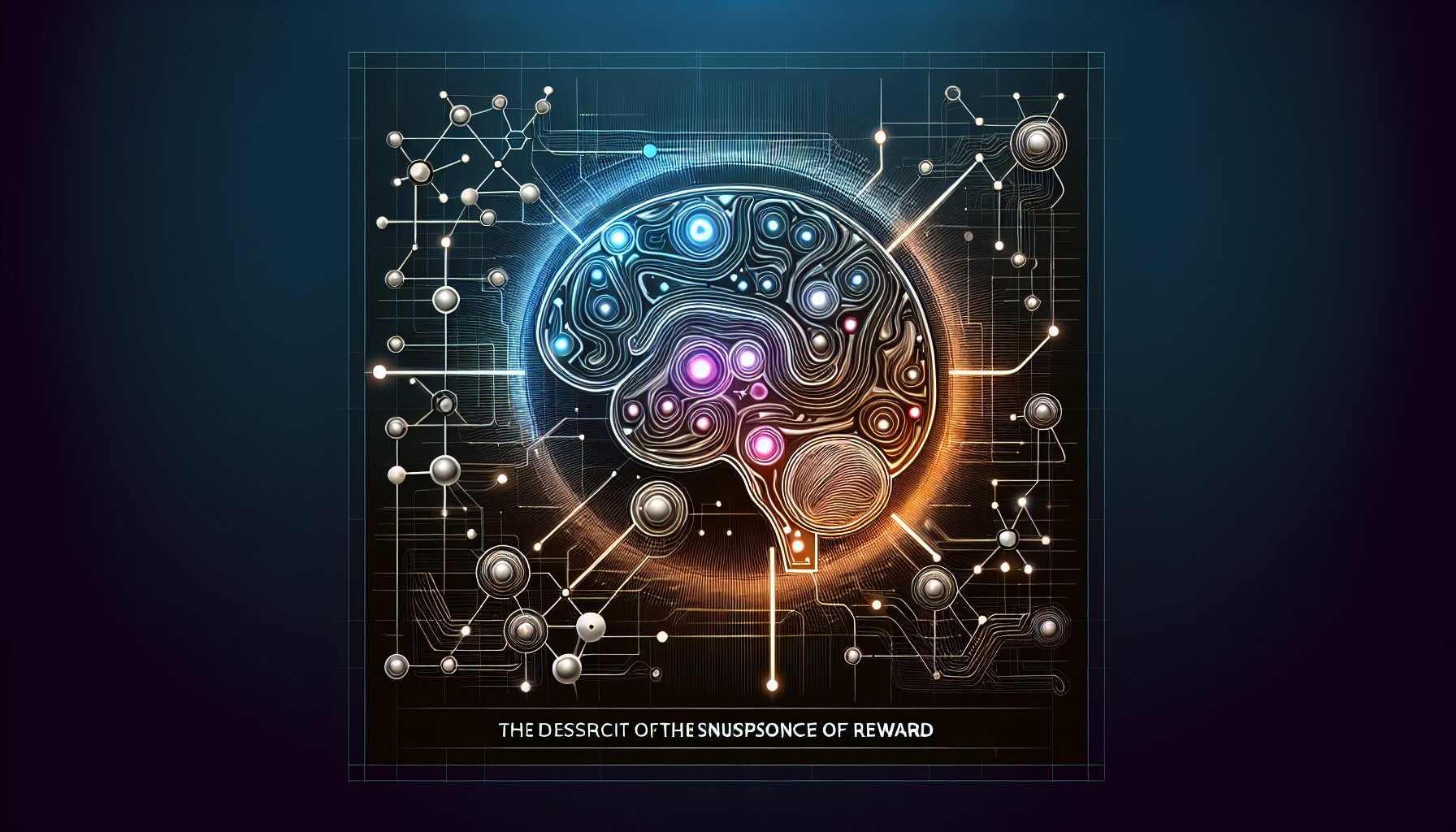
The neuroscience is elegant and terrifying. Your ventral tegmental area (VTA) sends dopamine signals to the nucleus accumbens, which evaluates potential rewards. When a reward is better than expected, dopamine spikes. When a reward is worse than expected, dopamine drops. This is called reward prediction error, and it is the engine of learning, motivation, and addiction.
Here is the crucial part: dopamine does not care what the reward is. Food, sex, money, status, likes on Instagram, it all triggers the same circuit. Your brain cannot tell the difference between hunting a mammoth and scrolling TikTok. Both generate reward prediction, both spike dopamine, both hijack your motivation system.
Evolution designed this system for a world of scarcity. You find a berry bush, dopamine spikes, you remember the location, you come back tomorrow. This is adaptive. But we no longer live in that world.
We live in a world where technology companies employ neuroscientists and behavioral psychologists to maximize dopamine release. Every app, every website, every advertisement is engineered to exploit reward prediction error. The notification badge, the autoplay video, the infinite scroll, all of these are dopamine delivery systems optimized through billions of hours of A/B testing.
Your brain is running Stone Age software in a Space Age dopamine environment. The gap between what your reward system expects and what modern life delivers is the fundamental mismatch of our time.
And it gets worse. Because dopamine is not just about individual behavior. It is about collective behavior. When an entire society runs on dopamine optimization, the consequences scale from personal addiction to civilizational pathology.
The same circuits that made Columbus burn his ships now make us refresh Twitter compulsively. The same prediction error that drove sugar plantations now drives attention algorithms. The neuroscience has not changed. Only the delivery mechanism has.
This is not a metaphor. This is not an exaggeration. Dopamine supremacy is the biological substrate beneath every major social crisis of modernity. And once you see it, you cannot unsee it.
Frequently Asked Questions
Dopamine primarily functions as the ‘anticipation chemical,’ firing when we expect rewards rather than when we actually receive them. This means it is more about wanting than liking, influencing our motivation and behavior in various contexts.
Reward prediction error occurs when there is a difference between expected and actual rewards, leading to spikes or drops in dopamine levels. This process is crucial for learning and can drive behaviors such as addiction, as it reinforces the pursuit of anticipated rewards.
Dopamine supremacy refers to how our brains, designed for a world of scarcity, struggle in a technology-driven environment where constant rewards are engineered for maximum dopamine release. This mismatch can lead to personal addiction and broader societal issues.
Technologies like social media and apps are designed to maximize dopamine release through features like notifications and infinite scrolling. These tools keep users engaged by continuously triggering reward prediction, which can lead to compulsive behaviors.