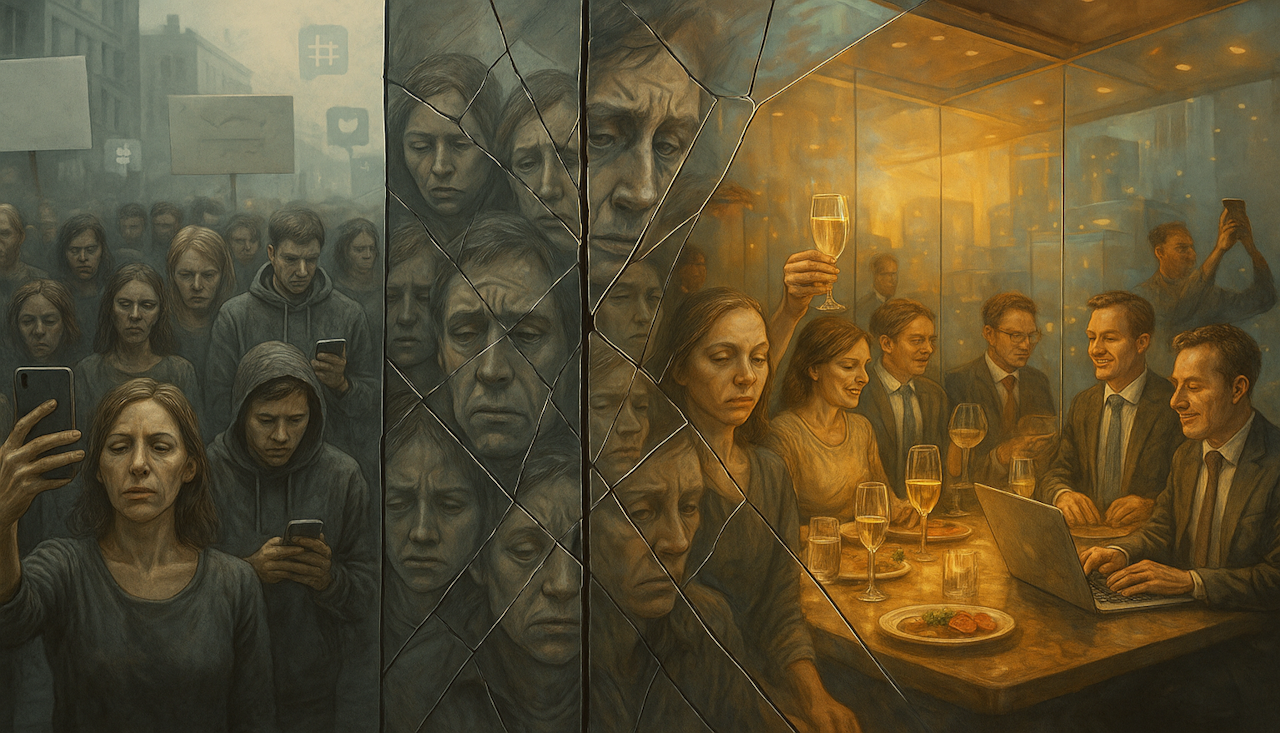
Inleiding: De dorst naar autonomie en de maskerade van beweging
Iedereen hunkert naar vrijheid. Maar wat betekent autonomie nog in een wereld waar elke keuze, protestactie of bewuste aankoop razendsnel een performance wordt? We leven in een tijdperk van grote bewegingen en verontwaardigde stemmen – maar óók in een tijdperk waar het toneel vaak belangrijker is dan het resultaat.
In deze blog breken we de spiegel en gaan we op zoek naar die ongemakkelijke waarheden waar niemand het over wil hebben. Je zult jezelf tegenkomen. Ben je bereid jouw comfortzone te verruilen voor inzicht?
De performance van activisme
Social media geven iedereen een podium, maar maken elk ideaal ook tot een spektakel. Hoe vaak zie je niet dat protesten veranderen in selfiemomenten, dat hashtags trendender zijn dan hun resultaten? Virtue signaling is het nieuwe activisme: je laat zien dat je ergens voor staat, zonder dat daar altijd daadwerkelijke verandering uit volgt.
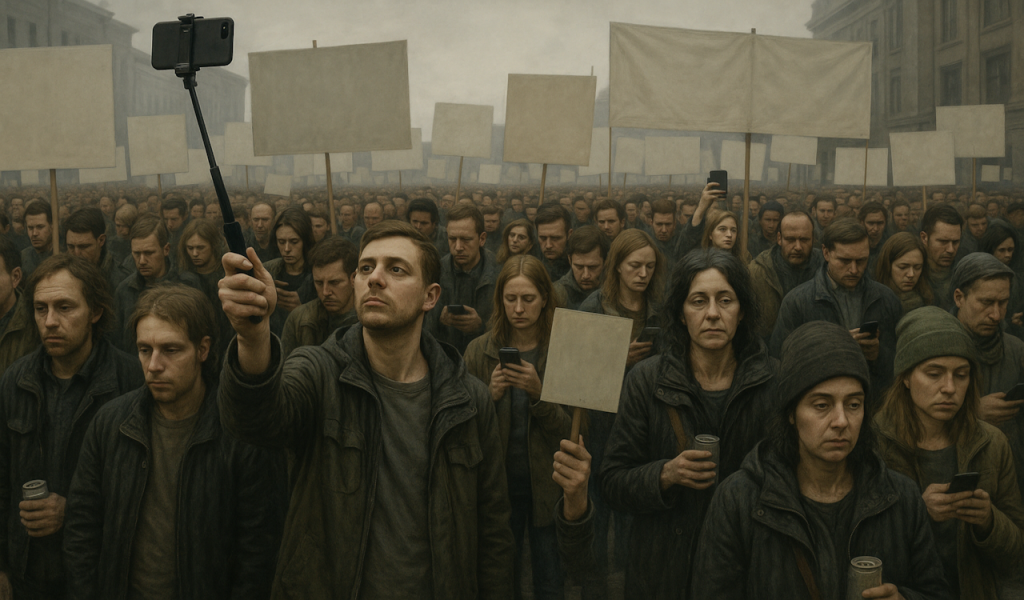
– Protest als lifestyle-accessoire
– Online solidariteit die na één swipe verdampt
– Echte actie wordt overschaduwd door het decor van het eigen imago
Ben jij werkelijk betrokken, of houd je jezelf (en de wereld) voor de gek?
Decadentie: Het dode gewicht van de elite
Terwijl massa’s strijden voor rechtvaardigheid, profiteert een kleine elite van ongekende overvloed. Decadentie is niet langer een ver-van-je-bedshow: het is de sluimerende standaard aan de top. Privéjets, gesponsorde ‘impact festivals’, wellness-cirkels rond privilege. Staat verandering nog centraal, of regeert het comfort?
“Hun speeltafels liggen vol filantropie, maar hun rijkdom zoekt zelden haar eigen bevraging.”
De luiheid van ‘onmacht’
Wie zich machteloos voelt, raakt snel verlamd. Maar sterker nog: verhalen van onmacht kunnen een nieuw comfort worden. Soms is het makkelijker onze autonomie op te geven (“het systeem is te groot”, “ik kan toch niks veranderen”) dan écht het risico te nemen om te handelen – en misschien af te gaan.
- Onderdrukking bestaat, maar passiviteit groeit sneller dan solidariteit
- Victimhood en burn-out beperken echte agentie
- Zelfs reflectie wordt een excuus om niet te handelen
De ondiepe diepte van social media
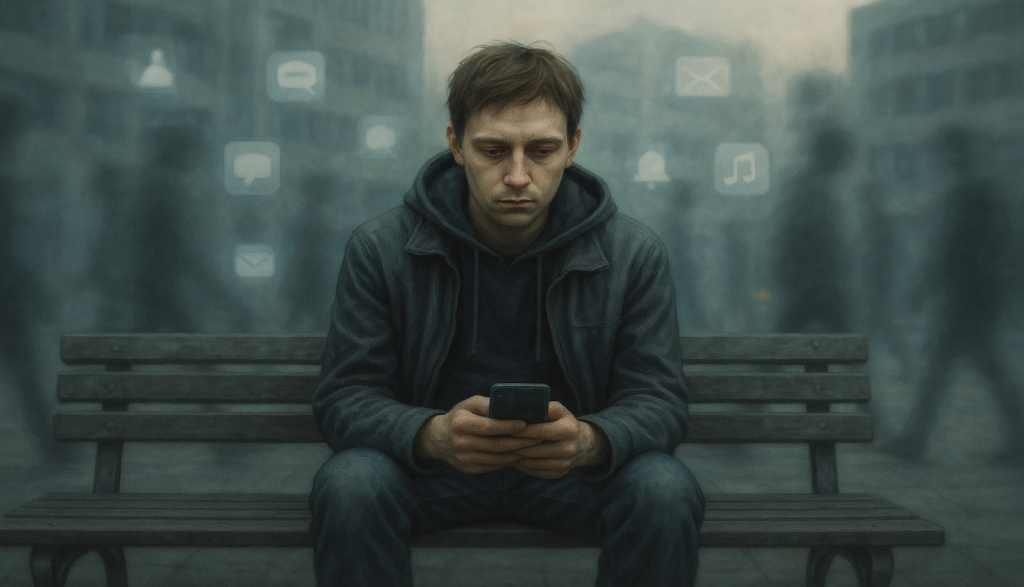
Het internet belooft diepgang (“longreads”, “essays”, “deep dives”), maar voedt vaak slechts de illusie van betrokkenheid. Likes zijn goedkoper dan daden. Threads zijn vluchtiger dan echte gesprekken. We consumeren ‘diepgang’ op dezelfde snelheid als fastfood.
Verbinding als façade – wie durft werkelijk te luisteren?
- Verontwaardiging als valuta, begrip als bijzaak
- Authenticiteit bestaat, maar moet concurreren met het algoritme
Slot: Doorbreek de comfortregels
Wees eerlijk: alles in ons roept op tot comfortabel meebewegen. Toch gebeurt er pas iets als we de regels van beleefdheid – en zelfbehoud – durven overtreden. Wie wil groeien, moet het ongemak niet vermijden maar juist opzoeken. Tijd om de spiegel te breken.
Je hoeft niet te kiezen tussen vrijheid en verbinding – maar je moet ze wél heruitvinden.
Wat kun je doen?
- Onderzoek je eigen motieven vóórdat je deelt of protesteert
- Kies voor ongemakkelijke vragen boven fijne meningen
- Zoek échte verbinding – ook al voelt dat onhandig
- Plaats jezelf bewust buiten het algoritme: lees, ontmoet, bouw aan het ongemakkelijke gesprek
Durf jij de maskers af te zetten? Deel je reflecties, ervaringen of kritiek hieronder – of stuur een bericht. Geen algoritme kan zien wat jij besluit over jezelf.
Contact | AI & moraal | Prospergenics & impact
Frequently Asked Questions
The blog highlights how modern activism often prioritizes performance over genuine change, with social media turning protests into self-promotional events. It emphasizes the danger of virtue signaling, where showing support becomes more important than achieving real results.
The blog critiques how a small elite benefits from their wealth while claiming to support social justice, pointing out that their philanthropy often lacks self-reflection. It suggests that real change is overshadowed by their comfort and lifestyle choices.
The blog argues that embracing a victimhood mentality can lead to passivity, making individuals feel powerless and reluctant to take action. This mindset can hinder genuine solidarity and personal agency, as people might choose inaction over the discomfort of risk.
The blog encourages readers to break free from comfort zones and confront uncomfortable truths to foster authentic connections. It asserts that true freedom and real engagement require a willingness to challenge societal norms and redefine how we interact with the world.