Waarom dit belangrijk is
Steeds meer bedrijven zetten AI in voor hun selectieprocessen, cijfers en klantcontact. Maar: wie programmeert die algoritmes? Wat nu als jouw slimme software ongemerkt selecteert ‘op de automatische piloot’ – en zo bestaande vooroordelen versterkt?
AI als bondgenoot voor inclusie
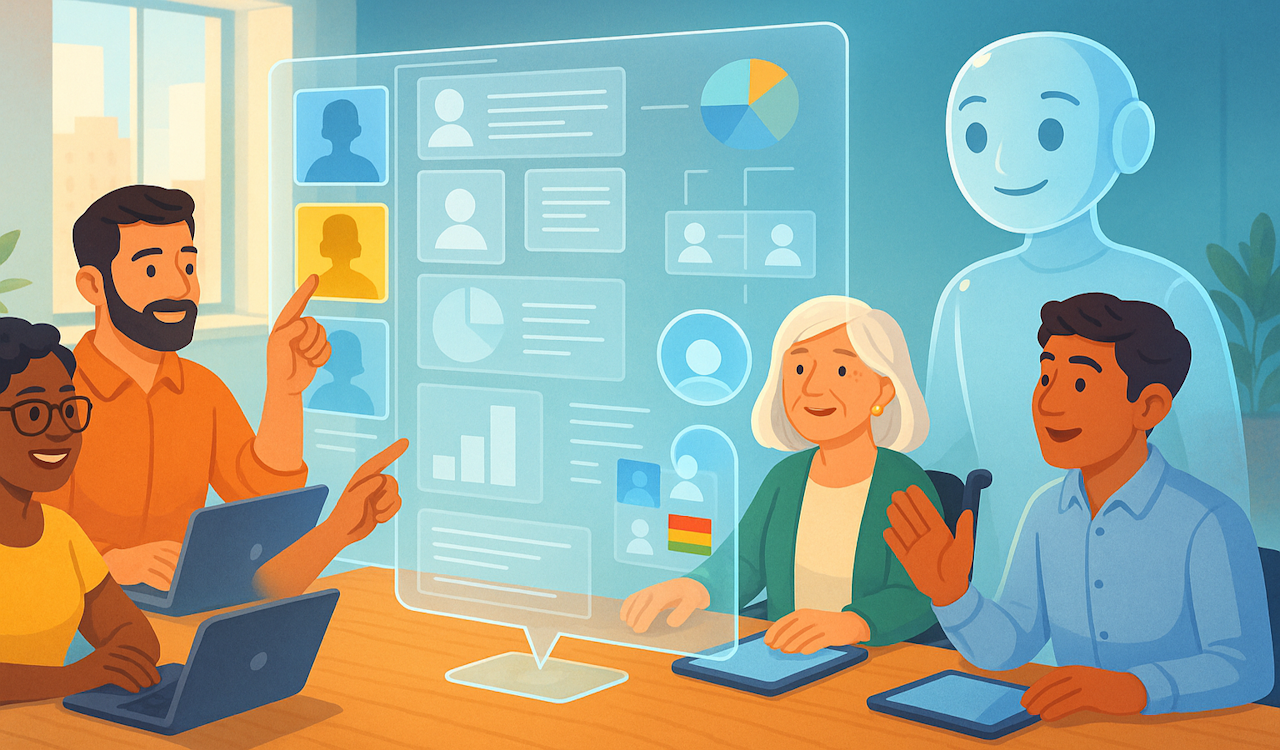
AI kan bias kopiëren, maar óók opsporen. De kracht zit in transparante algoritmes én een divers team aan tafel. Goede praktijkvoorbeelden?
- Divers cv-analyse; AI die naast opleiding kijkt naar context en soft skills.
- Feedbackloops die afwijkingen (denk: structureel afvallen vrouwen/minderheden) meteen signaleren.
- Tools die onbewuste uitsluiting in vacatureteksten tracken (en verbeteren!)
Zo zet je de stap naar écht eerlijke algoritmes
- Laat AI-systemen regelmatig auditen door een onafhankelijke partij – méér dan verplichte privacy-checks.
- Train teams in ‘data awareness’: herken stereotypen in eigen aannames, data en code.
- Piloteer elk AI-project met een divers klankbord (intern én extern).
Voorbeeld uit de praktijk
Een grote uitzendorganisatie merkte dat haar matching-tool vaker mannen voor technische functies selecteerde. Oorzaak: historische vacaturedata. Met een aangepaste analyse en menselijke reviews werden de aanbevelingen objectiever – én steeg de klanttevredenheid.
Let hierop
- Beperk je niet tot technische aanpassingen; werk aan cultuur én gesprek over gelijke kansen.
- Documenteer aannames en keuzes in je AI-projecten – wat als later blijkt dat de data niet klopt?
Mini-call-to-action
Wil je weten hoe jouw organisatie bias in data en algoritmes herkent én aanpakt? Neem contact op voor een inclusivity-scan!
Frequently Asked Questions
AI algorithms can reinforce existing biases by processing historical data that reflects societal prejudices, leading to automated decisions that favor certain groups over others. This often happens if the training data includes biased patterns, resulting in a perpetuation of stereotypes in selection processes.
Organizations can ensure fair AI algorithms by regularly auditing their systems with independent parties and training teams to recognize biases in data and assumptions. Implementing diverse teams in the AI development process and utilizing tools that analyze job descriptions for inclusive language are also effective strategies.
Practical examples include using AI to analyze CVs with a focus on context and soft skills rather than solely educational background, and deploying feedback loops to identify and address disparities in candidate selection. Tools that track and improve exclusionary language in job postings also contribute to a more inclusive hiring process.
Organizations can identify bias by conducting inclusivity scans that evaluate their data and algorithms for discriminatory patterns. This involves documenting assumptions made during AI projects and continuously testing the outcomes against diverse perspectives to ensure equitable results.