Part 6 of 12: The Narcissism Pandemic Series
Here’s what we learned from 1,000 experts across 11 disciplines:
You can’t just ask people to be better. You have to change the SYSTEM that makes them worse.
For five posts, I’ve shown you the problem:
– Collective narcissism epidemic
– Algorithmic amplification
– Eight self-reinforcing feedback loops
– Every previous solution failing
Now: What would actually work?
The answer isn’t what you think. Or rather, it’s bigger than you think.
Why Simple Solutions Fail
Before I show you what WOULD work, let’s be clear about what WON’T:
“Just log off”
– Doesn’t scale (need coordination, not individual withdrawal)
– Ignores the 3 billion people who won’t log off
– Polarization continues without you
“Be more reasonable”
– Appeals to virtue (doesn’t change incentives)
– Rational actors in irrational system still get irrational results
– Systems beat intentions
“Educate people”
– Too slow (propaganda works in days, education takes years)
– Doesn’t address emotion/identity
– Smart people are better at rationalizing bad beliefs
“Regulate social media”
– Necessary but insufficient
– Platforms will find workarounds
– Doesn’t address culture or psychology
“Build better platforms”
– Can’t compete with network effects
– Free rider problem (good platforms handicap themselves)
– Needs critical mass
The pattern: All of these are SINGLE-LAYER solutions to a MULTI-LAYER problem.
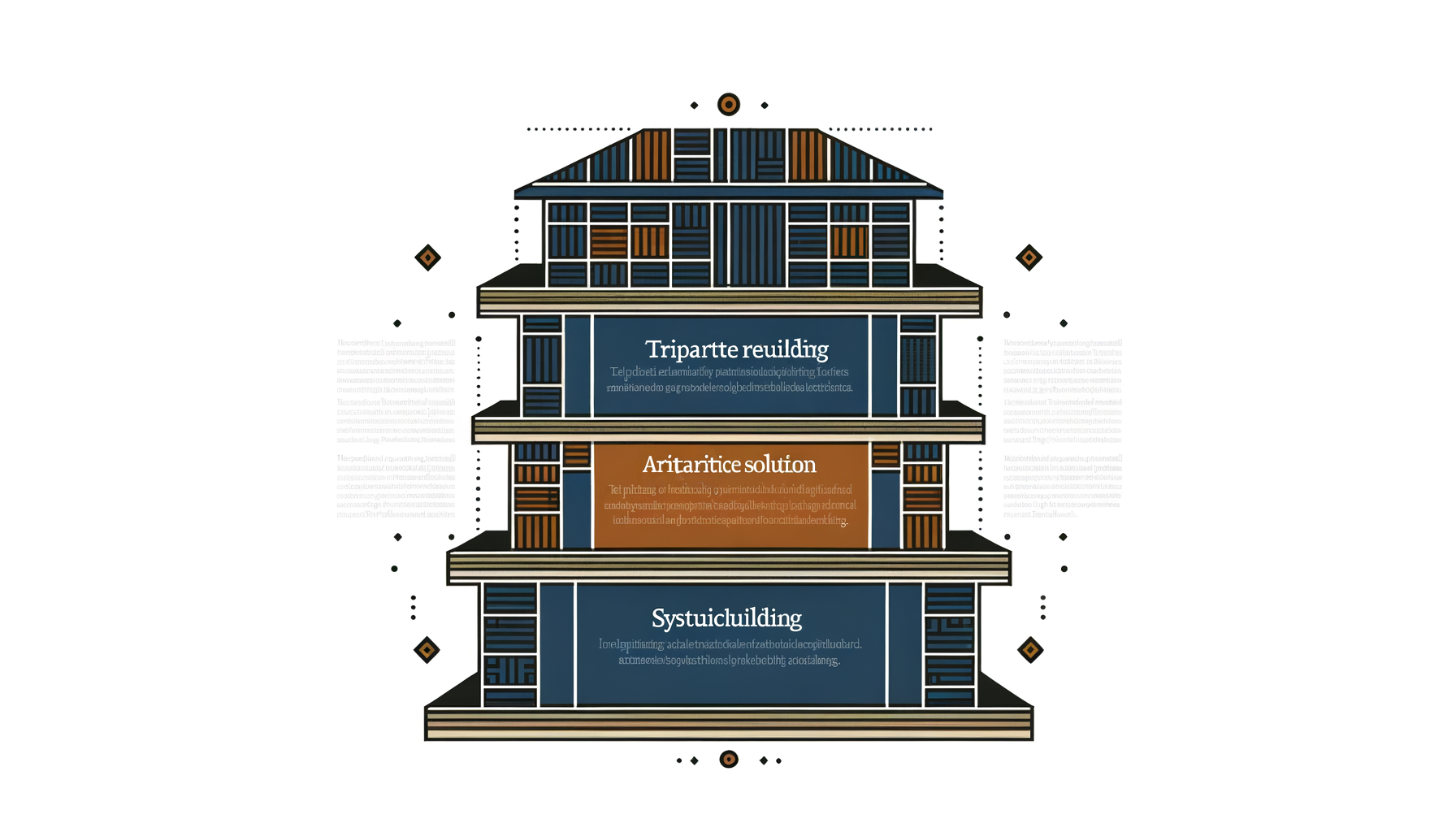
The Three Layers
Here’s the framework that actually addresses the system:
╔══════════════════════════════════════╗
║    LAYER 1: INFRASTRUCTURE           ║
║    (Platforms, Algorithms, Laws)     ║
╠══════════════════════════════════════╣
║    LAYER 2: CULTURE                  ║
║    (Norms, Narratives, Meaning)      ║
╠══════════════════════════════════════╣
║    LAYER 3: INDIVIDUAL               ║
║    (Tools, Skills, Practices)        ║
╚══════════════════════════════════════╝
The key insight: You need ALL THREE working together.
Here’s why:
Infrastructure alone:
– You can change algorithms and laws
– But if culture still valorizes tribalism, people find workarounds
– See: China’s Great Firewall → VPNs
Culture alone:
– You can shift norms and narratives
– But if infrastructure incentivizes polarization, culture loses
– See: “Be civil” campaigns while platforms optimize for outrage
Individual alone:
– You can give people tools and teach skills
– But systems shape individuals more than individuals shape systems
– See: Every “just be mindful” approach to systemic problems
ALL THREE TOGETHER:
– Infrastructure creates environment that enables culture shift
– Culture shift creates demand for better infrastructure
– Individuals equipped with tools can participate in both
– Positive feedback loops (instead of the negative ones we have now)
Layer 1: Infrastructure Solutions
This is the systems layer. Change the environment, change the behavior.
Infrastructure #1: Counter-Algorithms
The Problem: Current algorithms optimize for engagement (anger, tribalism, narcissism).
The Solution: Algorithms that optimize for wellbeing + understanding + truth.
How:
Instead of: Maximize engagement
Use: Maximize (0.3 × Engagement) + (0.3 × User Wellbeing) + (0.2 × Cross-Partisan Exposure) + (0.2 × Epistemic Quality)
What this means:
– Content that bridges divides gets boosted
– Content that makes users report feeling good after seeing it gets boosted
– Content that’s factually accurate gets boosted
– Engagement still matters (need to keep users) but is only 30% instead of 100%
But platforms won’t do this voluntarily (profit motive), so:
Infrastructure #2: Regulation
Three laws, passed simultaneously:
Law #1: Big Tech Accountability Act
– Platforms liable for algorithmic harms
– Must disclose how ranking works
– Must offer non-algorithmic option
– Must track and report wellbeing metrics
Law #2: Platform Competition Act
– Interoperability required (can message across platforms)
– Data portability (can take your network elsewhere)
– Open APIs (third-party clients allowed)
– Breaks network effect monopolies
Law #3: Democratic Information Infrastructure Act
– Public option platform (like PBS for social media)
– No algorithmic manipulation
– No ads
– Optimized for informed citizenry, not profit
Strategy: Pass in EU first (easier), then platforms change globally to avoid dual systems.
Infrastructure #3: Electoral Reform
The Problem: Current system incentivizes polarization (partisan primaries, winner-take-all).
The Solution: Systems that reward coalition and compromise.
Reforms:
– Ranked choice voting (rewards consensus candidates)
– Proportional representation (forces coalition government)
– Independent redistricting (ends gerrymandering)
– Open primaries (reduces power of extreme base)
These can be passed state-by-state. Alaska and Maine already doing this.
Infrastructure #4: Bridging Platforms
Build alternative platforms that only work if you bridge:
Core mechanics:
– You get reach when BOTH tribes engage positively
– You must steel-man other side before criticizing
– High bridging score = high visibility
– Low bridging score = quarantine
Business model: Subscription (not ads), so revenue comes from happy users, not engagement addicts.
Target: The exhausted 70% who want out of tribalism.
Layer 2: Culture Solutions
Infrastructure creates the environment. Culture fills it with meaning.
Culture #1: Viral Narratives
The Problem: “Be reasonable” is boring. Can’t compete with tribal belonging.
The Solution: Make bridge-building MORE appealing than tribalism.
Four narratives:
“The Reasonable Rebellion” (for young people)
– Frame: Tribalism = mainstream, conformist, boring
– Bridge-building = rebellious, authentic, courageous
– Emotion: Autonomy, authenticity
– Message: “Think for yourself, don’t be NPC”
“The Pro-Truth Movement” (for results-oriented people)
– Frame: Polarization = incompetence, bridge-building = getting shit done
– Emotion: Efficacy, competence
– Message: “They fight, we build”
“The Dignity Narrative” (for those who feel disrespected)
– Frame: Polarization robs everyone of dignity
– Emotion: Respect, fairness
– Message: “Mutual dignity restoration”
“The Anti-Grifter Movement” (for those who suspect manipulation)
– Frame: Polarization = grift, influencers profit from your anger
– Emotion: Agency, not being played
– Message: “Don’t let them profit from making you mad”
Culture #2: Rituals & Meaning-Making
The Problem: Tribalism fills the meaning vacuum. No healthy alternative.
The Solution: Secular rituals that provide belonging without enemies.
Examples:
– Annual Bridging Ceremony (recognize bridge-builders, create heroes)
– Perspective-Taking Festivals (argue for opposite side, gamify empathy)
– Shared Struggle Projects (build something together, superordinate goals)
– Reflection Practices (daily: “What did I get wrong today?”)
These provide meaning, community, identity – but PRO-SOCIAL versions.
Culture #3: Humor Offensive
The Problem: Outrage spreads fast. Reason spreads slow.
The Solution: Make polarization look STUPID with humor.
Tactics:
– Satirize grifters (expose who profits from anger)
– Mock tribal rituals (make performative extremism cringe)
– Celebrate bridging (make nuance cool, not weak)
Distribution: TikTok, Twitter, YouTube. Where culture is made.
Layer 3: Individual Solutions
Infrastructure and culture create the conditions. But individuals need tools to participate.
Individual #1: Depolarization App
AI-powered tool that helps you manage your own psychology:
Features:
– Real-time bias detection (“Your feed is 85% left-leaning today”)
– Emotional state tracking (“Notice you’re angry after reading about X”)
– Steel-man generator (“Here’s the best version of their argument”)
– Perspective-taking exercises (“Try to explain why they believe this”)
– Bridging social feed (only shows cross-partisan content)
Business model: Freemium. Free basic features, premium for full toolkit.
Target: People who WANT to depolarize themselves (surprisingly large market).
Individual #2: Bridging Skills Curriculum
8-week course teaching:
– Emotional regulation (how to stay calm in charged discussions)
– Steel-manning (engage with real arguments, not straw men)
– Active listening (understand before rebutting)
– Finding common ground (shared values before differences)
– Epistemic humility (confidence calibration)
Distribution:
– Universities (civic education requirement)
– Corporations (workplace training)
– Online platforms (Coursera, Udemy)
Goal: Make bridging a SKILL, not just virtue.
Individual #3: Cult Deprogramming (Scaled)
For people fully captured by tribal narcissism:
Approach:
– AI chatbot for Socratic questioning (cracks epistemic closure)
– Ex-partisan community (peer support from those who left)
– Therapeutic support (process narcissistic injury)
Not forcing people. Offering pathway out for those ready.
How It All Fits Together
Here’s the magic: The three layers create positive feedback loops.
Example cascade:
Infrastructure: Platform implements counter-algorithm
    ↓
Bridging content gets more reach
    ↓
Culture: People see bridge-building modeled
    ↓
Bridge-building becomes higher status
    ↓
Individual: People want bridging skills
    ↓
More people learn to bridge
    ↓
Culture: Bridging becomes norm
    ↓
Infrastructure: Demand for bridging platforms grows
    ↓
More platforms compete on bridging
    ↓
POSITIVE FEEDBACK LOOP
Compare to current negative loops:
Infrastructure: Engagement optimization
    ↓
Outrage spreads
    ↓
Culture: Tribalism increases
    ↓
Individual: People become more tribal
    ↓
Culture: Tribalism becomes norm
    ↓
Infrastructure: Platforms double down on engagement
    ↓
NEGATIVE FEEDBACK LOOP
We’re not fighting the system. We’re building a different system.
The Analogy: Fighting Obesity
This might help clarify why all three layers are necessary:
Obesity crisis. How do you solve it?
Layer 1 (Infrastructure):
– Regulate food industry (can’t market junk food to kids)
– Change subsidies (make healthy food cheaper)
– Urban planning (walkable cities)
Layer 2 (Culture):
– Shift norms around food and exercise
– Create rituals around healthy eating
– Status markers (fit = desirable)
Layer 3 (Individual):
– Teach nutrition
– Provide tools (calorie tracking apps)
– Support systems (weight loss groups)
If you only do Layer 1: People resent regulation, find workarounds.
If you only do Layer 2: Can’t compete with engineered addictive food.
If you only do Layer 3: Individual willpower fails against systemic incentives.
All three together: System shifts to new equilibrium where healthy is default.
Same logic applies to polarization.
Why This Can Work
Precedent #1: Smoking
– Infrastructure (regulation, taxes)
– Culture (shifted from cool to disgusting)
– Individual (nicotine patches, support groups)
– Result: Smoking rates dropped 50%+
Precedent #2: Drunk Driving
– Infrastructure (laws, breathalyzers)
– Culture (MADD campaigns, “designated driver” norm)
– Individual (education, alternatives)
– Result: Deaths dropped 50%+
Precedent #3: Seatbelts
– Infrastructure (laws requiring them)
– Culture (PSA campaigns)
– Individual (habit formation)
– Result: 90%+ adoption, massive lives saved
The pattern: Society CAN shift norms when infrastructure + culture + individual align.
Polarization is harder, but the principle is the same.
The Counter-Arguments
“This is too ambitious”
– Yes. But the alternative is societal collapse. Choose your hard.
“People won’t change”
– Not asking them to change from virtue. Changing the systems that shape them.
“Platforms won’t cooperate”
– Don’t need cooperation. Need regulation. (See: Every other industry that had to stop harming public)
“This will take too long”
– 48-month implementation timeline (see future posts for details)
– Faster than collapse takes
“Both sides won’t agree”
– Don’t need both sides to agree on substance. Need both sides to agree POLARIZATION ITSELF is bad.
– 70% already agree on that.
The Core Principle
If there’s one thing to take from this post, it’s this:
You cannot solve a systemic problem with an individual solution.
But you CAN solve a systemic problem with a systemic solution.
The three layers aren’t three separate strategies. They’re three parts of ONE system.
And systems can shift.
They’ve shifted before. They’ll shift again.
The question is: Will we INTENTIONALLY shift to a better equilibrium?
Or wait for collapse to force a shift (probably to authoritarianism)?
Those are the options.
Next in this series: “The Algorithm War: Building Tech That Heals Instead of Harms” – Deep dive into Layer 1. How counter-algorithms work, how bridging platforms function, and how we force adoption.
Previous posts:
– Part 1: You’re Not Crazy, The System Is
– Part 2: The Narcissism You Can’t See
– Part 3: How Social Media Gave Us NPD
– Part 4: The Eight Feedback Loops
– Part 5: Why Fact-Checking Failed
Think someone needs to read this? Share it. This is when the series turns from diagnosis to cure.
Don’t want to miss a post? Subscribe for updates
This is Part 6 of a 12-part series on solving polarization. Based on synthesis from system designers, behavioral economists, and complexity scientists.
Frequently Asked Questions
The Three-Layer Solution consists of Infrastructure, Culture, and Individual layers. Infrastructure includes platforms and algorithms, Culture involves norms and narratives, while Individual focuses on tools and skills. All three layers must work together to effectively address systemic issues like collective narcissism.
Simple solutions like ‘just log off’ or ‘be more reasonable’ fail because they only tackle one layer of a multi-layer problem. They overlook the systemic incentives and cultural factors that drive behavior, leading to ineffective results. A comprehensive approach is necessary to create lasting change.
Infrastructure shapes the environment that influences cultural norms, which in turn affects individual behavior. If the infrastructure incentivizes negative behaviors like polarization, individuals are likely to conform to those behaviors despite cultural shifts. This interconnectedness highlights the need for all three layers to be aligned for meaningful change.
Counter-algorithms are part of the Infrastructure layer, designed to replace current algorithms that promote engagement through anger and tribalism. By optimizing for healthier interactions, these algorithms can foster a culture that discourages narcissism and polarization. This aligns with the broader goal of creating a positive feedback loop across all layers.