Article 5 of 12 in the Dopamine Supremacy series
The 20th century invented something unprecedented: the ability to create desire where none existed. Advertising became the art of hijacking the dopamine system remotely.
Edward Bernays, Freud’s nephew, pioneered this in the 1920s. He convinced women to smoke cigarettes by associating them with freedom and rebellion. He did not sell a product. He sold a dopamine trigger. Smoking became linked to identity, status, and liberation. The brain learned to anticipate reward from the act of lighting up.
This was the template. Find a product, link it to a psychological need, activate the reward circuit, create a habit. Repeat across every industry.
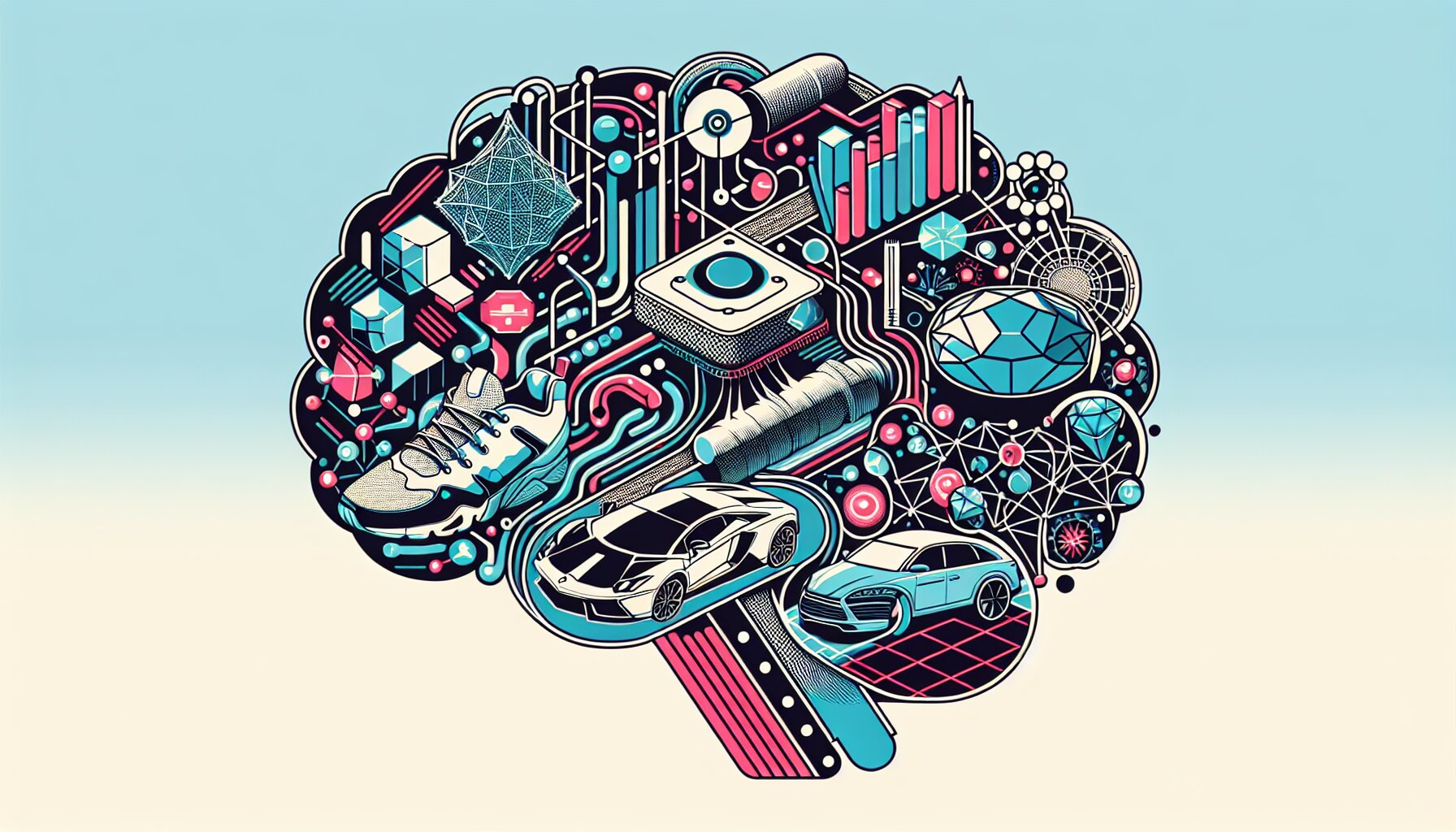
Cars became freedom. Diamonds became love. Soda became happiness. Sneakers became status. Each product was engineered to trigger dopamine anticipation far beyond its functional value.
The methods grew more sophisticated. Market research, focus groups, neuromarketing. By the 1950s, companies were using psychological principles to design advertisements that bypassed rational thought and went straight to the limbic system.
The result was the consumer society. Not a society that consumed goods, but a society that consumed dopamine hits and mistook them for fulfillment. People bought things not because they needed them, but because the anticipation of ownership felt like happiness.
Planned obsolescence amplified the cycle. Products were designed to break or become outdated, forcing re-purchase. The dopamine hit of newness became a recurring revenue stream. The iPhone is not a product. It is a dopamine subscription service.
Credit cards removed the pain of payment, which normally acts as a brake on dopamine-driven purchasing. Buy now, feel good now, pay later when the dopamine has worn off. Consumer debt became a feature, not a bug.
Shopping malls became dopamine theme parks. Bright lights, music, smells, all calibrated to maintain a state of heightened anticipation. You walked in for one thing and left with five because your reward circuit had been activated continuously.
Black Friday became a cultural ritual. People camped outside stores, fought over discounts, trampled each other for televisions. This was not about saving money. It was dopamine scarcity (limited supply) triggering dopamine frenzy (competitive acquisition).
Then the internet turned consumerism into a 24/7 dopamine drip. Online shopping removed every barrier between desire and purchase. See ad, click button, get reward prediction, receive package, repeat. The cycle compressed from weeks to hours.
Amazon’s one-click ordering is not convenient. It is weaponized dopamine delivery. The friction between wanting and getting has been reduced to 200 milliseconds. Your reward circuit is being activated before your prefrontal cortex can ask if you actually need the thing.
Influencer marketing took it further. Now the people you admire are showing you things to buy, activating social reward circuits on top of consumer reward circuits. Parasocial relationships became product placement. Your brain thinks these people are your friends, so when they recommend something, your dopamine system treats it like trusted advice.
Subscription services turned consumption into a permanent state. Netflix, Spotify, meal kits, beauty boxes, everything became a recurring dopamine stream. The anticipation of the next delivery, the next episode, the next surprise, it all keeps the reward circuit activated continuously.
This is not capitalism. This is dopamine capitalism. An economic system optimized to manufacture desire, deliver anticipation, and keep the cycle running indefinitely. The products are irrelevant. The dopamine is the product.
And it worked so well that we now measure economic health by consumption growth. An economy that is not growing consumption is called a recession. We have built a civilization that requires continuous dopamine escalation to avoid collapse.
Frequently Asked Questions
Edward Bernays, a pioneer in public relations, used psychological principles to create desire for products, linking them to emotional triggers. His campaigns, like associating cigarette smoking with freedom and rebellion, shaped the way advertising targets consumer desires by activating the brain’s reward system.
Dopamine is a neurotransmitter that signals pleasure and reward, influencing consumer behavior by creating anticipation and satisfaction from purchases. Advertisers design campaigns to trigger dopamine responses, making consumers associate products with emotional fulfillment rather than just functional needs.
Online shopping has transformed consumerism by eliminating barriers between desire and purchase, allowing instant gratification. Features like Amazon’s one-click ordering streamline the buying process, activating the reward circuit in consumers and reinforcing impulsive buying behaviors.
Planned obsolescence is a strategy where products are designed to become outdated or break, encouraging repeat purchases. This practice amplifies the cycle of consumerism by ensuring that the excitement of newness continually triggers dopamine responses, leading to habitual buying.