Waarom dit belangrijk is
In de AI-race draait het vaak om snelheid en efficiëntie. Maar: technologie is nooit neutraal. De manier waarop jij processen automatiseert, beïnvloedt niet alleen jouw team, maar ook klanten, partners en de samenleving. Social Return On Investment betekent dat je verder kijkt dan euro’s – en verantwoordelijk kiest om samen vooruit te komen.
Wat kun je doen?
- Stel waarden centraal bij automatisering: Vraag je af: welk groter doel dient deze optimalisatie? (Denk aan werkplezier, gelijke kansen, duurzaamheid.)
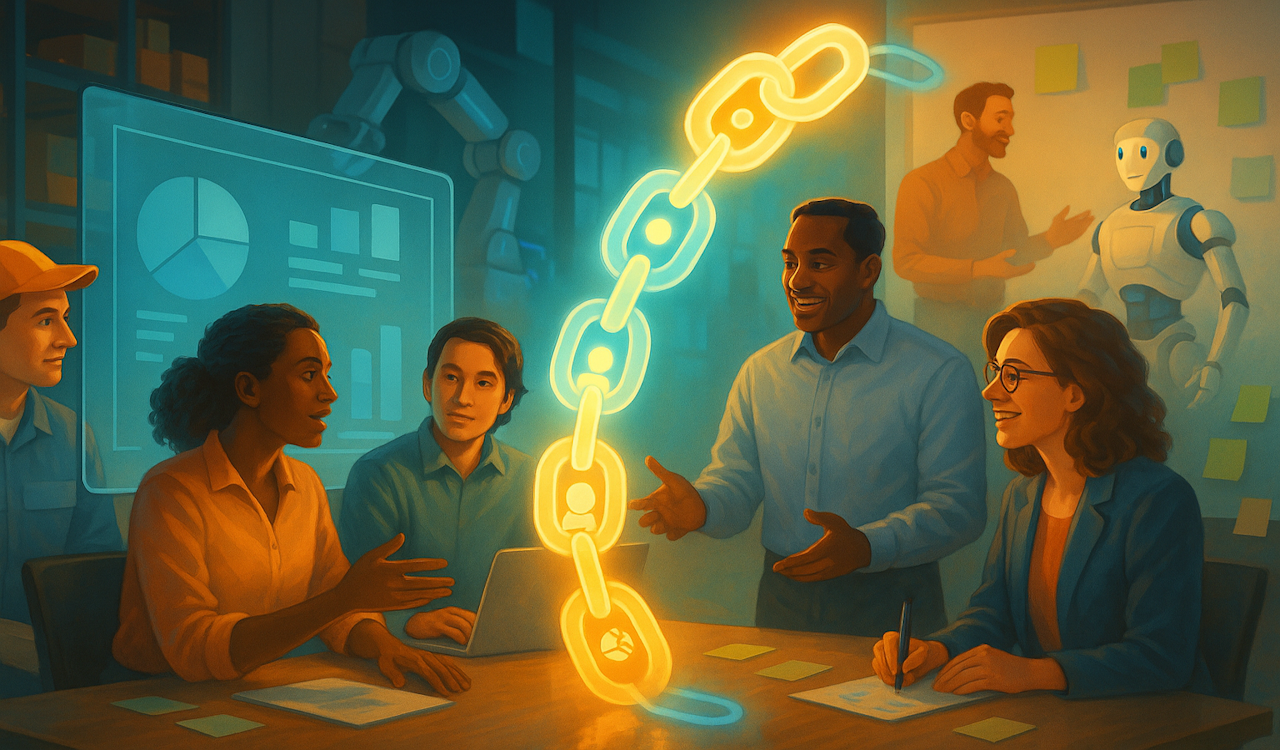
- Ontwikkel ‘empowerment chains’: Automatiseer repeterende taken zodat medewerkers ruimte krijgen voor betekenisvol werk en persoonlijke groei. Faciliteer die groei bewust.
- Meet meer dan tijd en geld: Maak zichtbaar wat digitalisering doet op het gebied van welzijn, diversiteit en samenwerking. Deel successen én leerpunten met je team.
Voorbeeld uit de praktijk
Een klant in de logistiek startte met AI om fouten te verminderen – dat lukte. Maar door medewerkers te betrekken bij het ontwerp van de processen, ontstond méér: slimmer werken gaf ruimte voor initiatief, men voelde zich serieus genomen, en het ziekteverzuim daalde opvallend.
Let hierop
- Maak de ketting rond: empower mensen, organisaties en partners door kennis en succes te delen.
- Wees transparant over je beslissingen: laat iedereen meeprofiteren van de winst, of dat nu tijd, kennis of financiële ruimte is.
Samen impact maken?
Wil jij meer halen uit digitalisering dan alleen efficiëntie? Kijk samen met je team eens eerlijk naar het grotere plaatje. Social Return On Investment begint altijd bij bewust kiezen. Wil je sparren? Neem gerust contact op!
Frequently Asked Questions
Social Return On Investment (SROI) in AI emphasizes looking beyond financial returns to consider the broader impact of technology on employees, customers, and society. It encourages organizations to prioritize values such as well-being, equal opportunities, and sustainability in their automation processes.
Organizations can empower employees by automating repetitive tasks, which frees up time for more meaningful work and personal development. This approach not only enhances job satisfaction but also fosters a culture of initiative and personal growth within the team.
During digital transformation, companies should also measure impacts on employee well-being, diversity, and collaboration. By making these aspects visible, organizations can gain a comprehensive understanding of how digitalization affects their workforce and workplace culture.
Involving employees in AI process design can lead to smarter working methods and increased employee engagement. When team members feel valued and included, it can result in reduced absenteeism and a more motivated workforce, ultimately benefiting the organization’s overall performance.