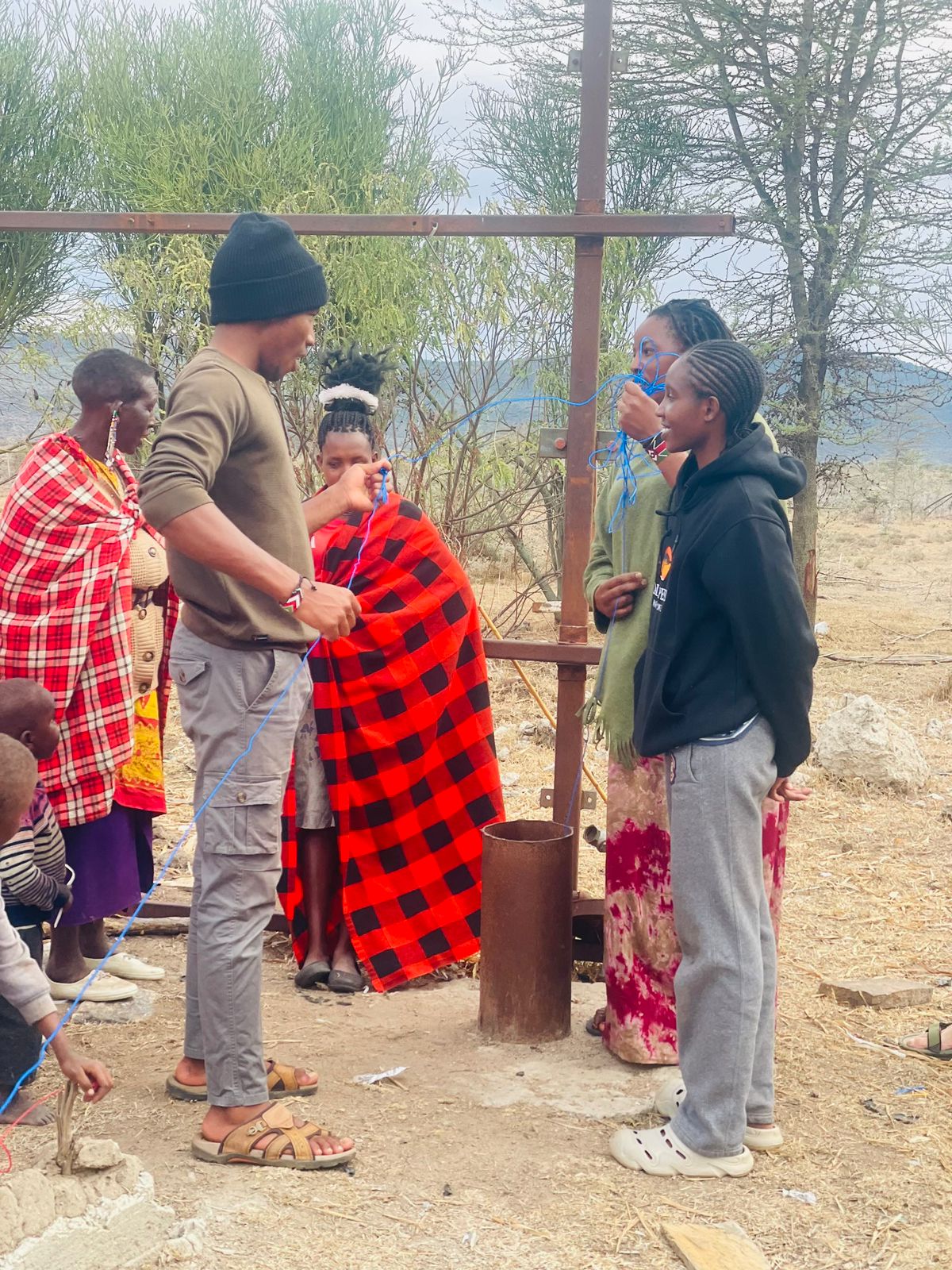
A Community Without Water Is Asking for Help
This story is about something more fundamental: water, and the ability for people in this area to live a truly human life.
The Community
Ilpopong is a Maasai community in Kenya, consisting of approximately 100 families. In recent years, drought has been extreme here. There is no longer a reliable water source anywhere in the wider area. This means daily survival: walking long distances for water, livestock dying, children unable to attend school, and families facing constant shortages.
Children of Ilpopong dancing to traditional Maasai music
How This Started
Years ago, a Canadian woman, Natasha, had a borehole drilled in Ilpopong. She was married to a Maasai man and wanted to do something lasting for the community alongside her marriage.
At the time, the borehole worked and finally gave people access to water. The well was located on land owned by her husband’s brother.
After their divorce, things went wrong. Her ex-husband tried to take over his brother’s land. When that failed, he dismantled the borehole out of resentment and sold the equipment. Once again, the community was left without water.
A Second Attempt – and Another Setback
Over the past few years, the drought became increasingly severe. Natasha decided to help again and managed to raise approximately $10,000 within her own network and community. With this money, new equipment was purchased:
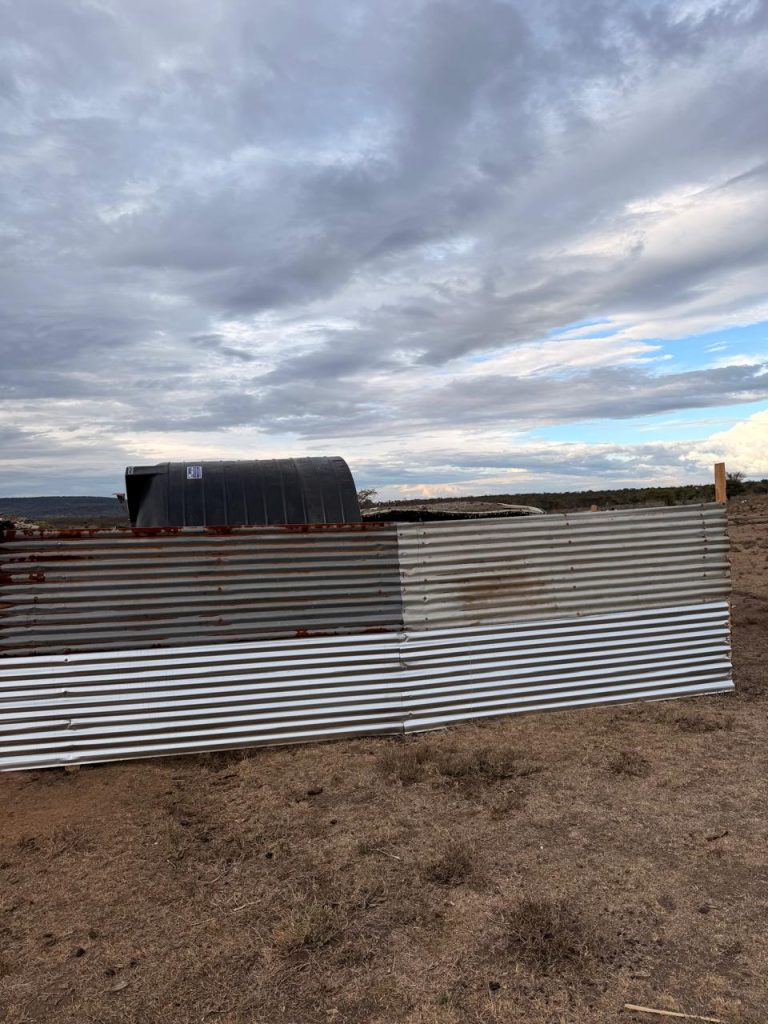
- water tanks
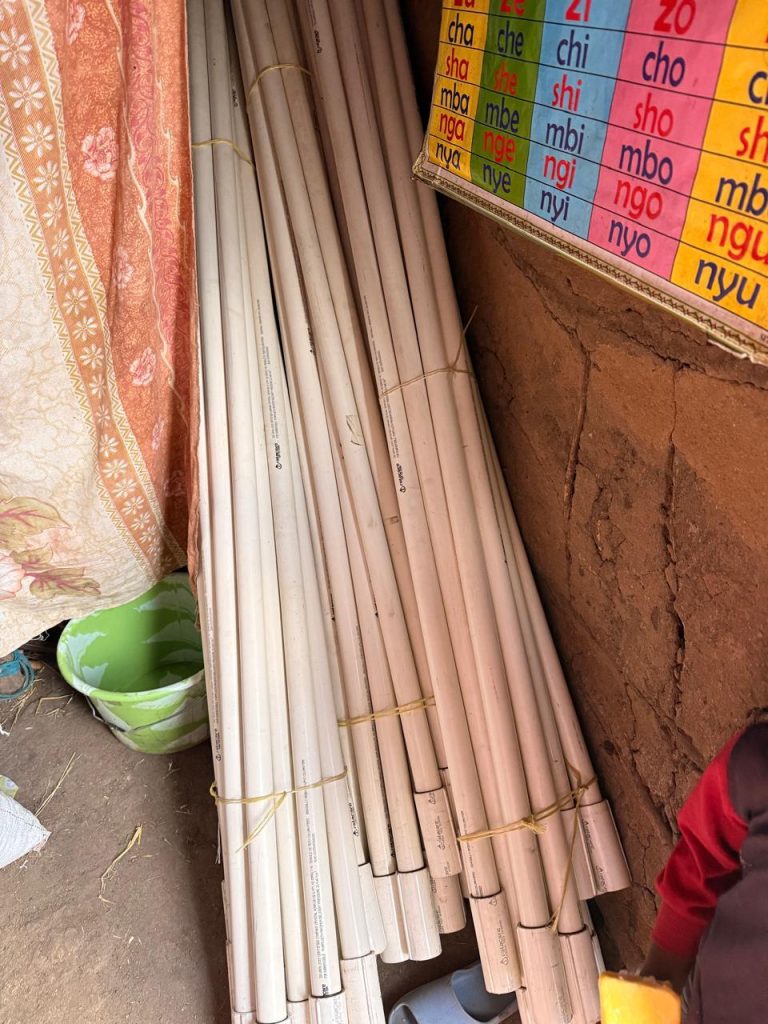
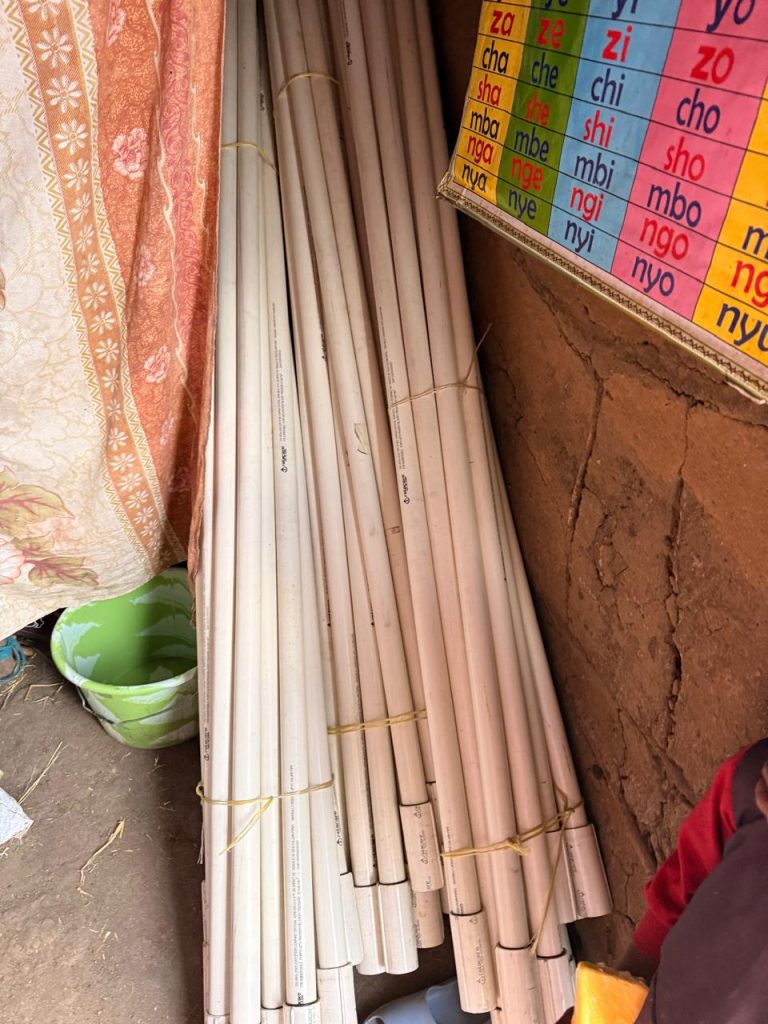
- pipes
- a pump
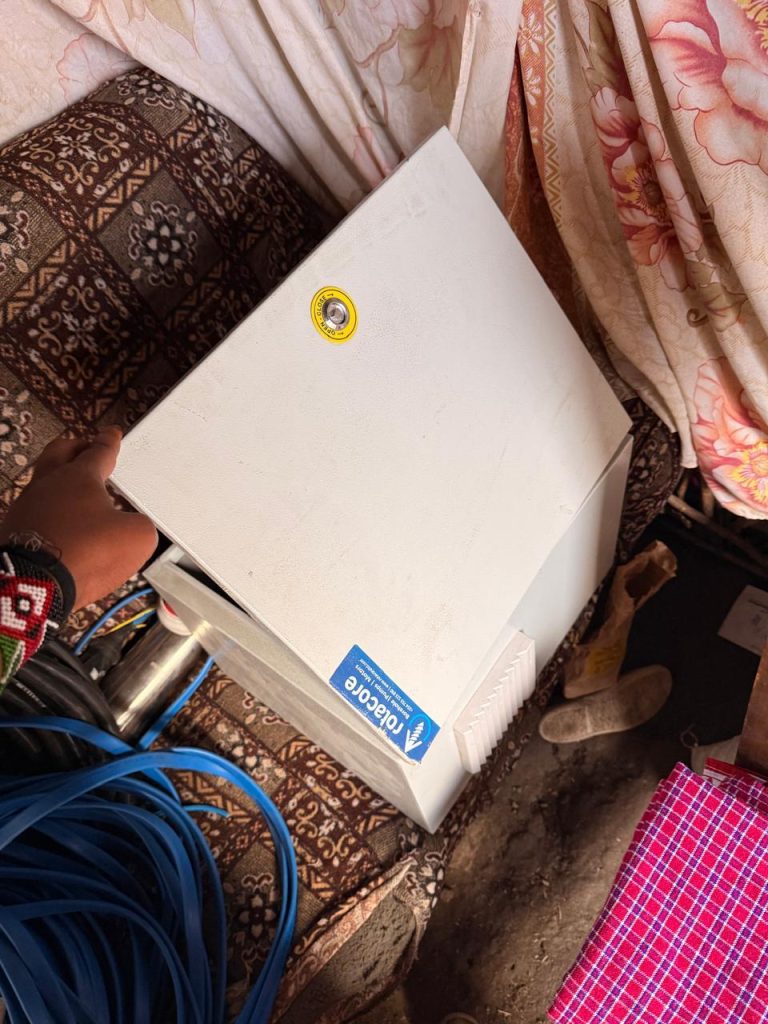
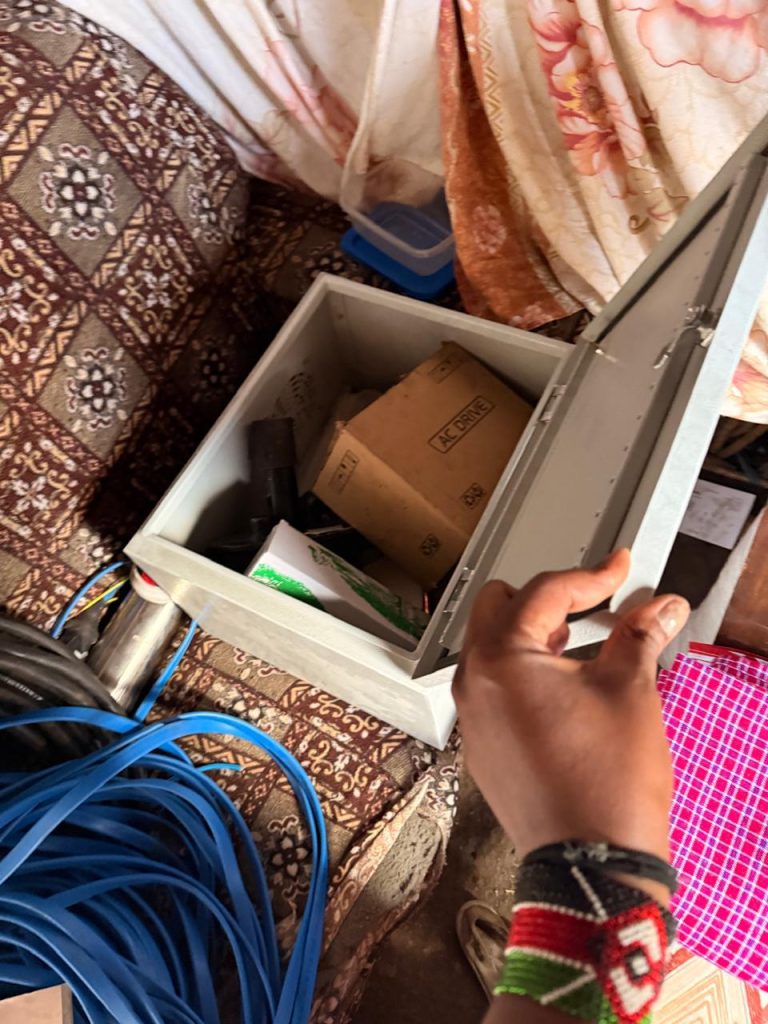
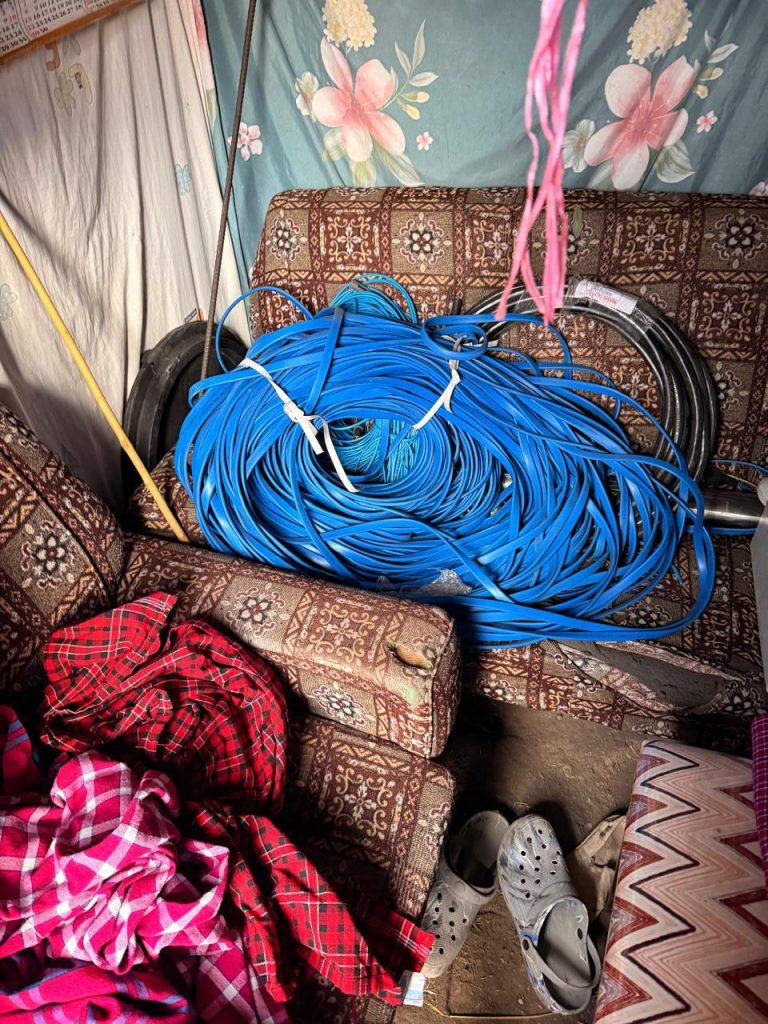
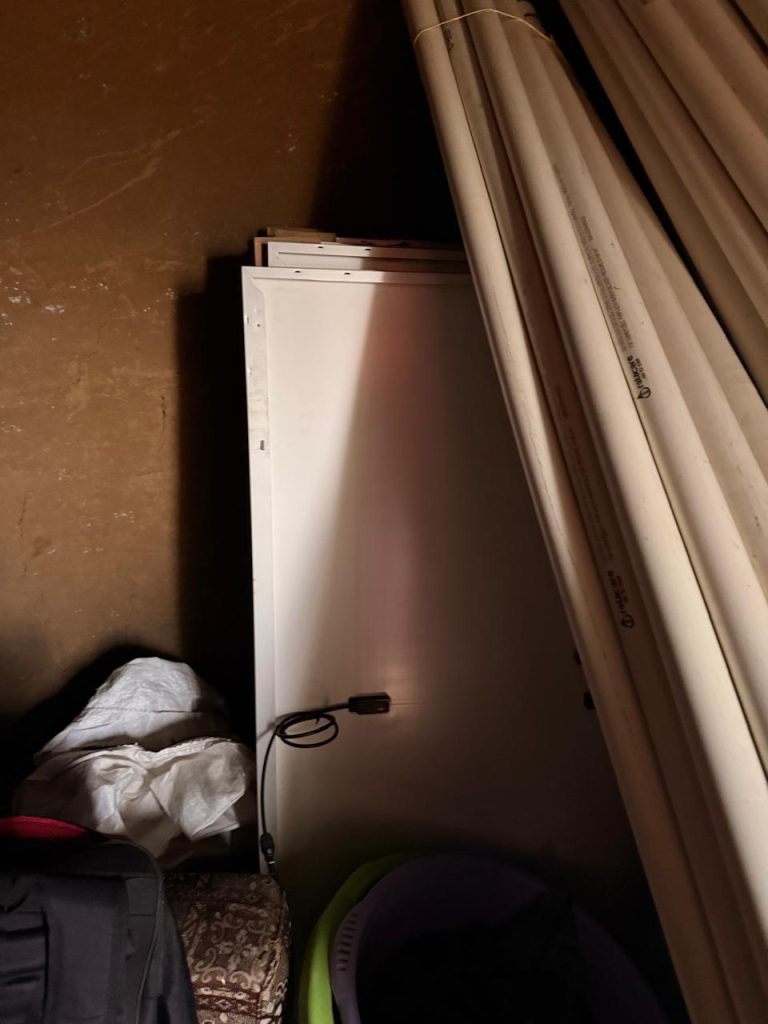
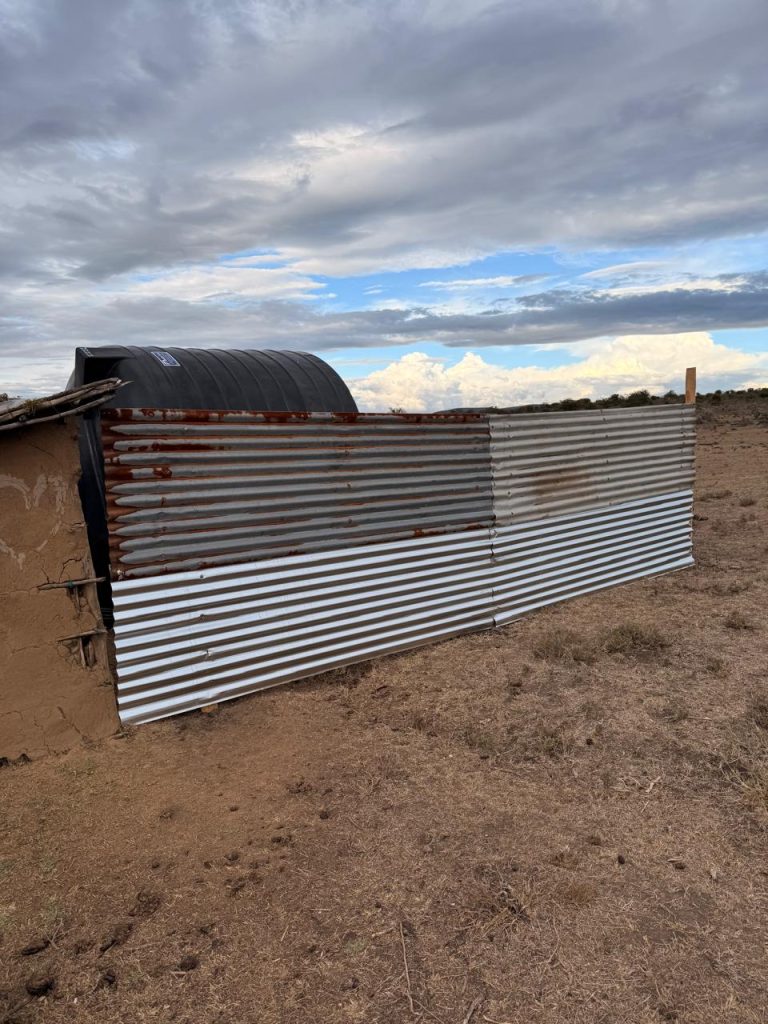
This equipment is present.
However, the company hired to carry out the work barely did anything. They performed only a brief inspection, declared that the borehole was “blocked,” and then left, while taking 290,000 KSh (over $2,000) with them. Nothing was repaired, and no water was delivered.
The Current Reality
After that, we investigated the borehole ourselves.
The well is approximately 320 meters deep.
The conclusion is harsh but clear:
- No water was found all the way to the bottom
- Other boreholes in the region have also run dry
Due to prolonged drought and likely geological changes, the water in this area has disappeared or shifted. Repairing this borehole no longer makes sense.
We also attempted to find shallow, seasonal water sources. This could offer a temporary solution, but so far this has not succeeded, and even if it did, it would not provide long-term security.
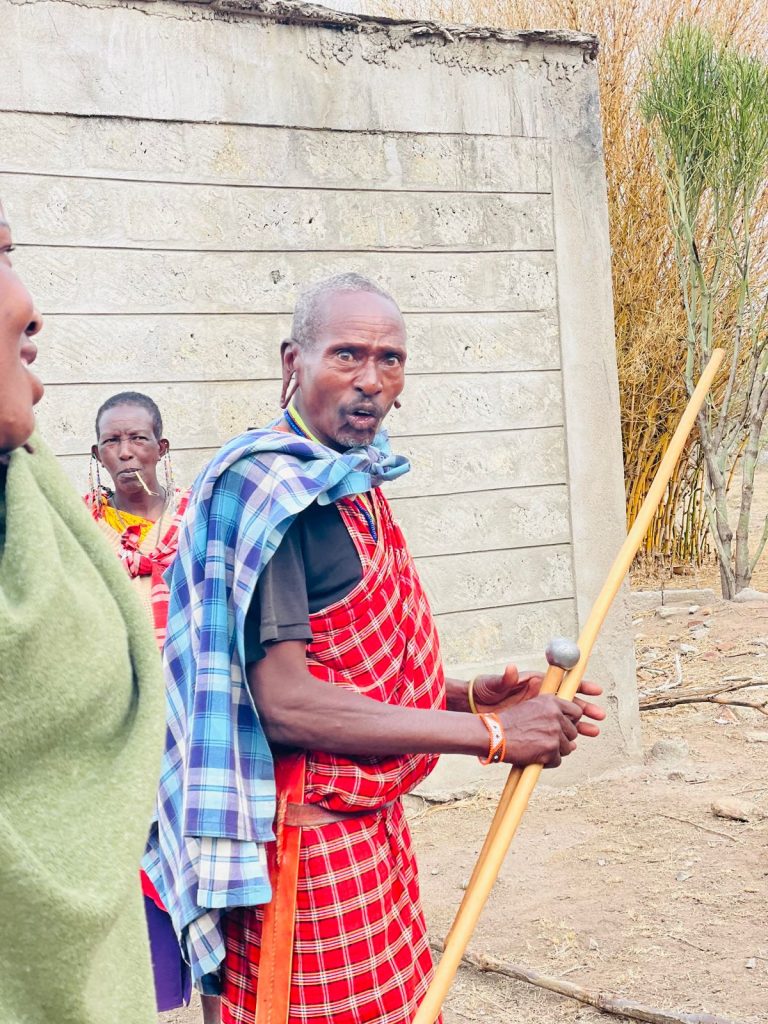
What Exists – and What Is Missing
What exists:
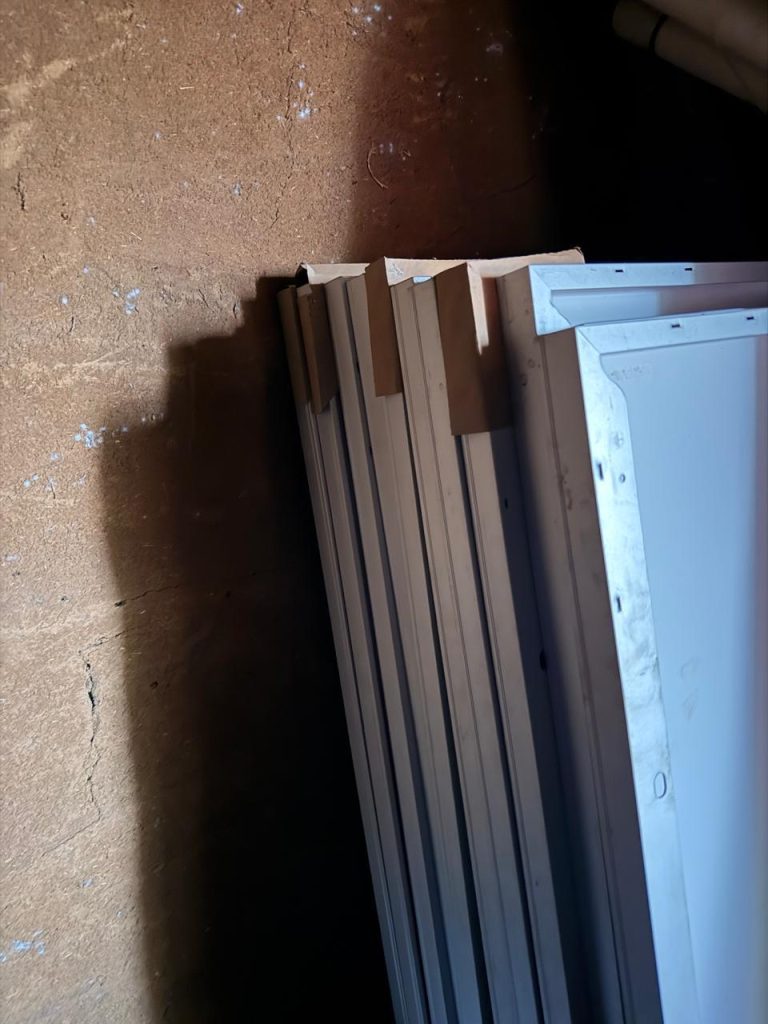
- equipment (tanks, pipes, pump)
- a community willing to take collective responsibility
- people prepared to maintain the system themselves
What is missing:
- a functioning water source
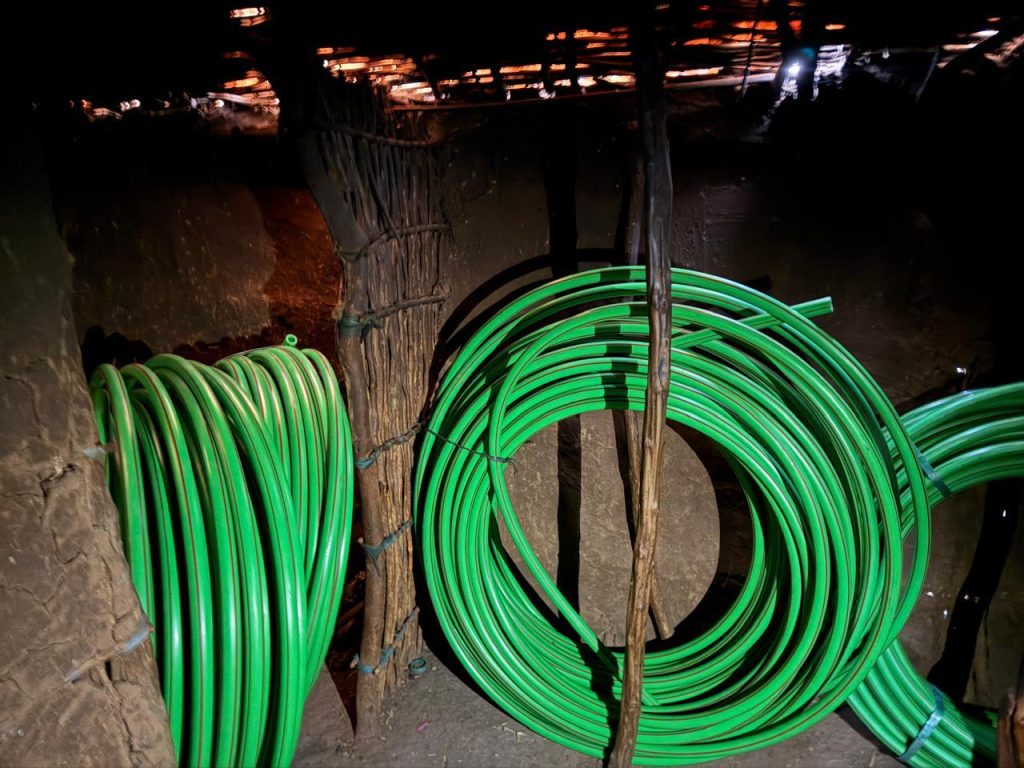
Water hoses – more images of equipment such as solar panels, pumps, and water tanks can be found at the bottom of this article
What Is Needed Now
To give Ilpopong access to water again, the following is required:
Hydrogeological research
To determine where water can still be found in this area.
Drilling a new borehole
Based on that research, at a location with the highest chance of success.
The realistic costs for this are between $15,000 and $25,000.
We deliberately choose a broad and safe estimate so the project can be completed and does not stall again due to lack of funds.
Any remaining funds will stay within the water project (additional drilling depth, protection of the installation, maintenance, transport).
Sustainability and Transparency
The Ilpopong community has committed to jointly maintaining the borehole. Each household will contribute monthly once water is available.
Where possible, we want to work with local authorities in Kenya. However, the reality is that corruption and self-enrichment play a role. That is why we choose maximum transparency.
Guarantee:
100% of donations will be spent on this water project and on the community.
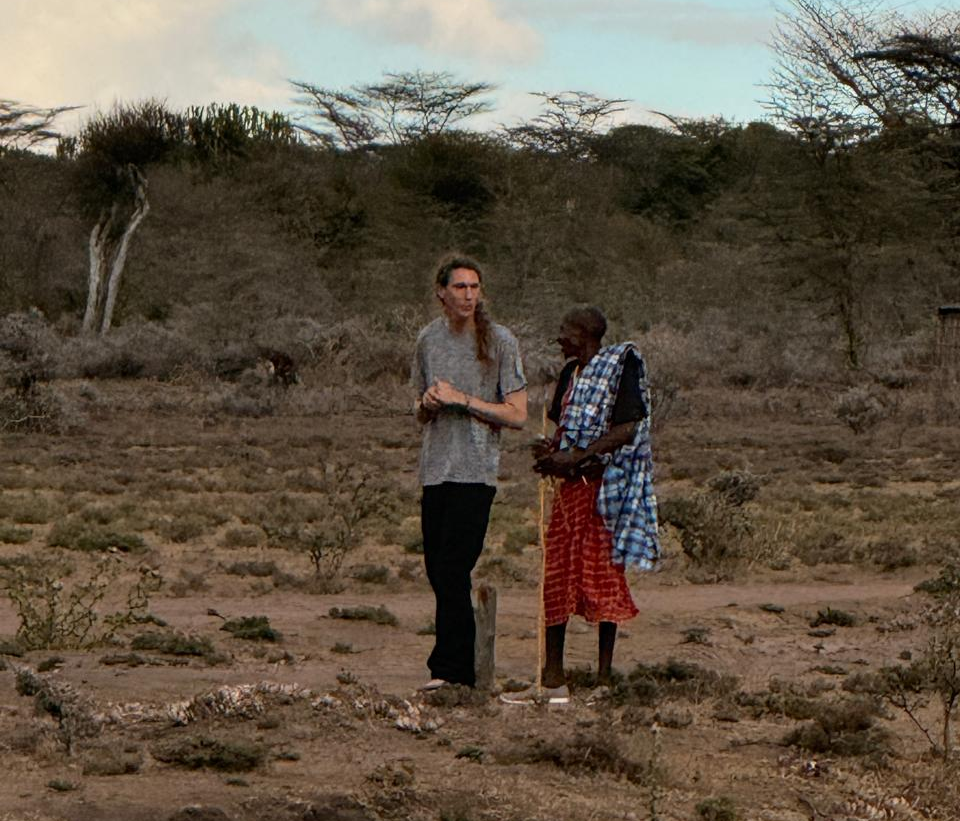
Personal Note
Over the past years, I have given everything I could: my time, energy, and money. to support Sofy, her family, and the community here. I can no longer carry this alone. That is why I am asking for help now.
This is not about pity.
This is about water.
How You Can Help
- Donate (large or small)
- Share this story
- Help us complete this project
Donations or contact via WhatsApp:
- Martien de Jong: +31 6 3398 4381 (06-033984381)
- Sofy Nashipae Mpoe: +254 718 130 265
GoFundMe:
https://www.gofundme.com/f/water-for-ilpopong
Facebook (Martien):
https://www.facebook.com/profile.php?id=100089231028937
Frequently Asked Questions
The Ilpopong community in Kenya faces severe water shortages due to a combination of extreme drought and the failure of previous borehole initiatives. After the dismantling of a borehole by a former owner, the community has been left without a reliable water source, forcing families to walk long distances for water.
Initially, a borehole was drilled in Ilpopong by a Canadian woman, providing access to water until her ex-husband dismantled it out of resentment. Subsequent attempts to repair the borehole have failed, as the hired company did not deliver promised repairs and left the community without water.
To restore water access in Ilpopong, hydrogeological research is needed to identify potential water sources. Following this, drilling a new borehole would be essential, along with the community’s willingness to maintain the new water system.
The Ilpopong community currently possesses equipment such as water tanks, pipes, and a pump, as well as a collective willingness to take responsibility for maintaining a new water system. However, the critical missing element is a functioning water source to utilize these resources effectively.