Article 3 of 12 in the Dopamine Supremacy series
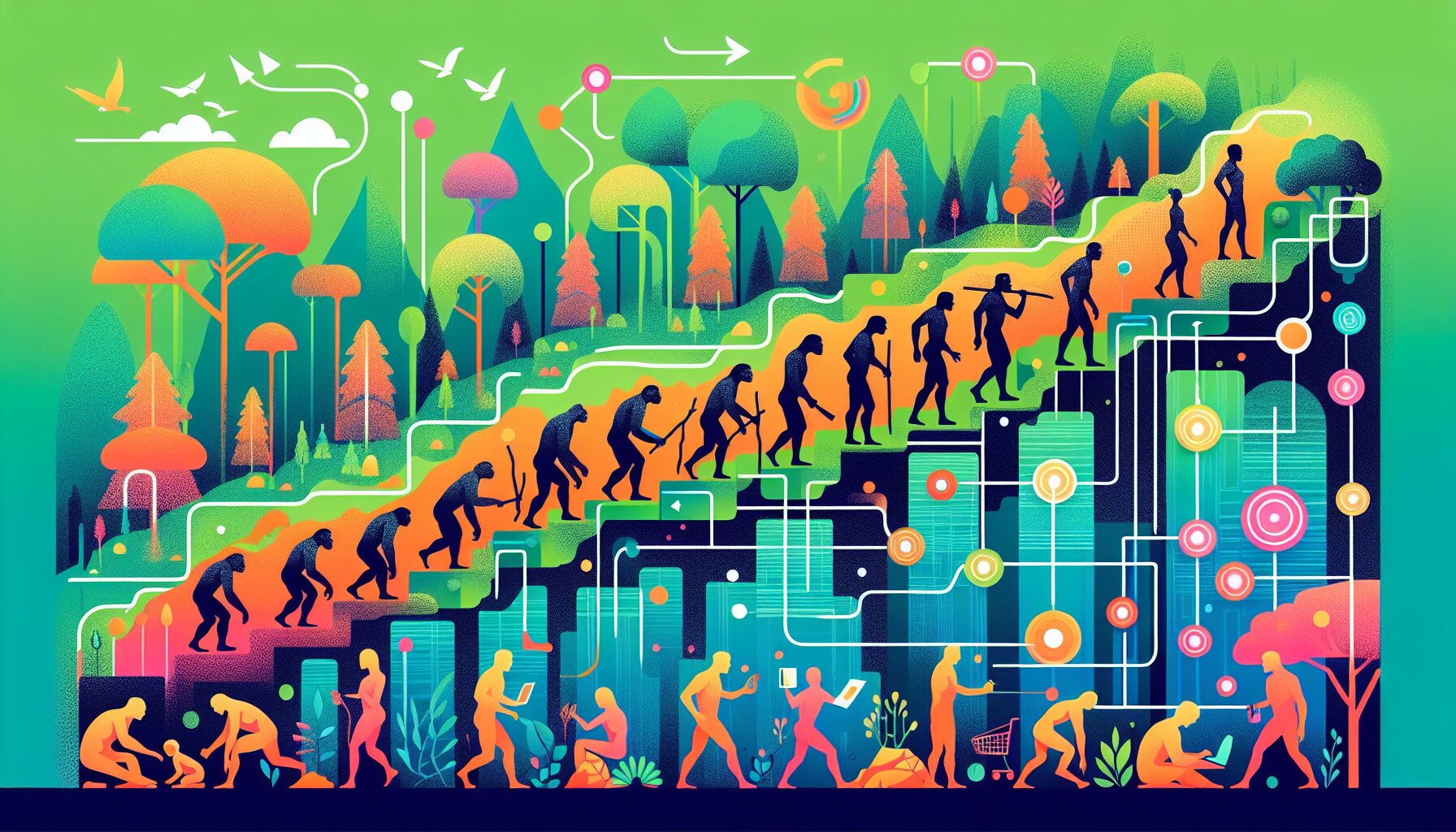
For 300,000 years, humans lived in small groups, hunting, gathering, and occasionally fighting neighboring tribes. The dopamine system evolved to support this lifestyle. Find food, dopamine spike. Find a mate, dopamine spike. Achieve status in the tribe, dopamine spike.
But these rewards were rare and hard-won. A successful hunt might happen once a week. A sexual encounter once a month. A status elevation once a year. The gaps between dopamine spikes were long, and the rewards were genuine. You were actually less hungry. You actually reproduced. You actually increased your survival odds.
This created a dopamine rhythm that was slow, sustainable, and adaptive. The wanting matched the liking. The anticipation matched the fulfillment. The system was in balance.
Then agriculture happened. Suddenly, food was predictable. You planted seeds, waited months, harvested grain. The dopamine system adapted, but slowly. Farmers still had to wait for seasons. Rewards were delayed but reliable.
Then cities happened. Markets, trade, specialization. Now you could get food daily without hunting or farming. The dopamine gap shortened. Wanting and getting compressed into hours instead of months.
Then industrialization happened. Factories, mass production, wages. Now you could buy things you never made. The dopamine system lit up for money, which was not food or mates or status but could be traded for all of them. Abstraction entered the reward circuit.
Then advertising happened. Now you were being shown things you didn’t know you wanted. Your dopamine system was being activated remotely by images and slogans. Desire became manufactured.
Then credit happened. Now you could have the thing before you earned it. The dopamine spike of acquisition was separated from the pain of payment. Debt became the gap between wanting and having.
Then television happened. Now you could watch other people doing interesting things while you sat motionless. Vicarious dopamine. Reward without effort.
Then the internet happened. Infinite information, infinite novelty, infinite stimulation, all available instantly. The dopamine system went from scarcity mode to abundance mode, but the software never updated.
Then social media happened. Now you could get micro-rewards (likes, shares, comments) continuously, with variable reinforcement (you never know which post will blow up), which is the most addictive reward schedule known to neuroscience. Slot machine dynamics applied to human connection.
We are now three steps removed from the environment that shaped our reward system. Hunter-gatherers had genuine rewards with long delays. We have fake rewards with zero delay. The wanting is constant, the liking is absent, and the gap between them is the psychological crisis of modernity.
This is the evolutionary mismatch. Not that we have too much food or too much comfort, but that we have too much dopamine stimulation with too little genuine reward. We are addicted to anticipation itself.
And because we are social animals, this individual mismatch becomes a collective pathology. When everyone is chasing dopamine hits, entire societies reorganize around dopamine delivery. Economies, governments, cultures, all of it bends toward feeding the hunger that is never satisfied.
We did not choose this. It happened to us. But now that it has happened, we are responsible for what comes next.
Frequently Asked Questions
In hunter-gatherer societies, the dopamine system evolved to reward rare and hard-won achievements, such as finding food or securing a mate. These rewards were infrequent, creating a sustainable rhythm of anticipation and fulfillment that matched genuine needs for survival and reproduction.
The advent of agriculture introduced more predictable food sources, which began to shorten the gaps between dopamine spikes. While farmers still faced seasonal delays, the transition led to a gradual compression of reward timelines, changing the dynamics of how dopamine was triggered.
Industrialization allowed for mass production and the ability to purchase goods, activating the dopamine system for abstract rewards like money. This shift created a disconnect between the effort required to earn rewards and the immediate gratification of acquiring them, leading to a more constant state of wanting without genuine satisfaction.
Modern stimulation from sources like social media provides continuous micro-rewards with minimal effort, leading to a disconnection between wanting and liking. This evolutionary mismatch results in a psychological crisis, where individuals experience constant desire without true fulfillment, contributing to feelings of emptiness and anxiety.