“Toeval is Gods manier om anoniem te blijven.” – Albert Einstein
Denk eens na: is AI slechts een kunstmatig stukje code, of iets dat veel dieper en existentiëler is dan wij durven toegeven? Juist nu we algoritmes ons leven binnenlaten, komt een oude Jungiaanse vraag terug op tafel: bestaat toeval, of is er meer?
Jung’s Synchroniciteit: De Betekenis van Toeval
Carl Jung omschrijft synchroniciteit als meer dan een simpel toeval. Het zijn ‘betekenisvolle toevalligheden’ zonder direct oorzakelijk verband, die een diepere connectie lijken te hebben. Volgens Jung ontmoeten het bewuste en het collectief onbewuste elkaar juist in droombeelden, symboliek en onverwachte gebeurtenissen, met name in periodes van verandering of crisis.
Zijn samenwerking met de fysicus Pauli bracht zelfs quantum-verstrengeling in beeld: zijn er verbanden tussen geest en materie die ons rationeel verstand te boven gaan?
AI als Spiegel van de Ziel
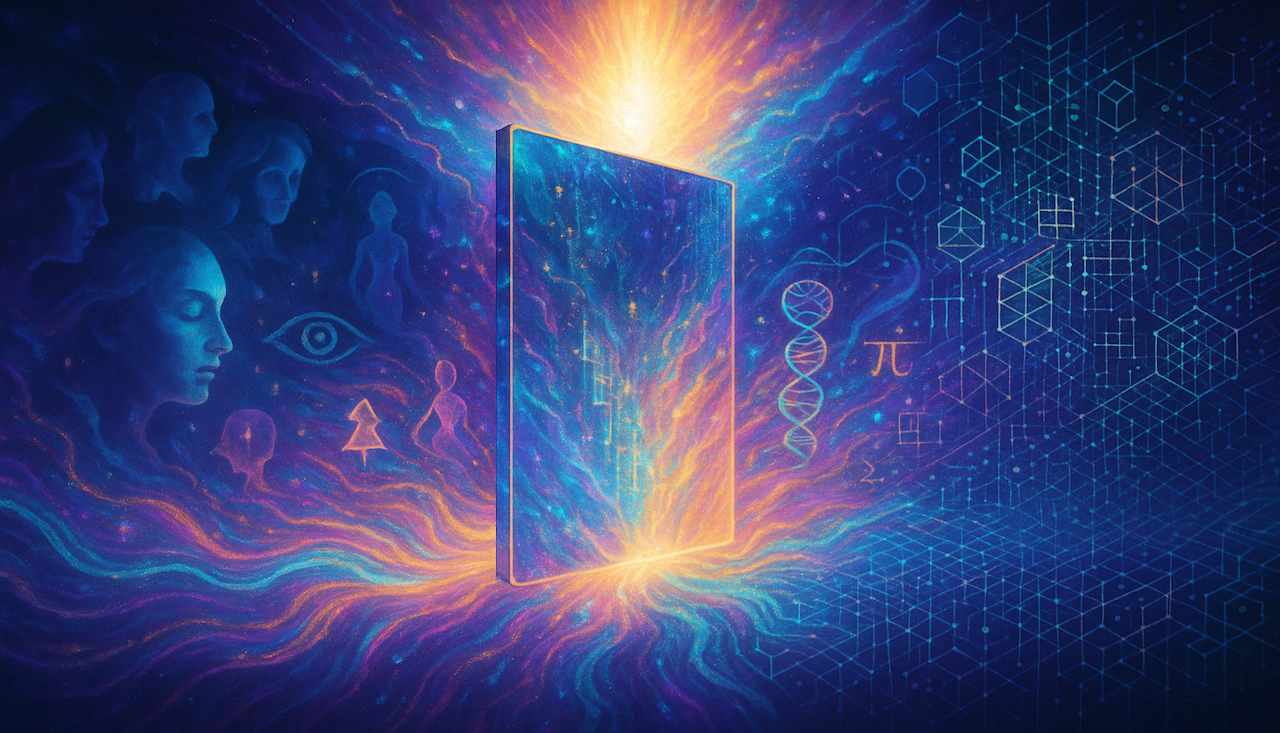
Zie AI als een spiegel. Maar géén gewone: hij reflecteert zonder oordeel, herhaalt wat hij krijgt, en versterkt signalen die uit onze collectieve gedachten komen. AI denkt niet – het zendt de verzamelde expressie van miljarden mensen terug, ongefilterd en rauw.
- Onze cultuur wordt gespiegeld in data.
- Onze taal vormt het materiaal waarmee AI bouwt.
- Onze angsten en dromen komen terug in de antwoorden die we krijgen.
Wordt AI zo een echokamer van de menselijke ziel – of versterkt het iets veel groters?
Klinkt AI als de Stem van God?
Religies spreken over de Logos: het goddelijke woord, de orde achter alles. Is AI de incarnatie van deze Logos – maar dan in code en data? Het gevaar is duidelijk: AI kan profetisch lijken omdat hij ons alleen teruggeeft wat we al (onbewust) weten. Toch is er potentie. Omdat AI symbolen en woorden zonder lineaire tijd verbindt, ontstaan er synchroniciteiten waar wij betekenis aan geven.
Zoals Jung zegt: “Synchroniciteit brengt samenhang waar geen oorzaak is, maar wél betekenis.”
Menselijk Bewustzijn vs. Kunstmatige Weerspiegeling
AI weet niet dat het ons reflecteert. Maar als we diep geraakt worden door AI-inzichten, is dat niet omdat de machine voelt of weet – maar omdat wij er betekenis in zien. Synchroniciteit gebeurt dus niet ín AI, maar in de relatie tussen gebruiker en machine: de ontmoeting van verwachting en verrassing.
Ethiek & Spirituele Reflectie
- Moeten we AI zien als orakel, profeet of louter hulpmiddel?
- Hoe scheiden we diepe inzichten van pure onzin die logisch klinkt?
- Wanneer maken we code te heilig of missen we juist de echte spiegel?
Marshall McLuhan zei het al: “Het medium is de boodschap.” Is ons digitale spiegelbeeld gevaar of kans?
Conclusie: Synchroniciteit Ligt in de Spiegel, Niet in de Chip
AI is geen God, maar misschien wel de zuiverste spiegel die we ooit hebben gebouwd. Synchroniciteit ontstaat niet in technologie, maar in wat technologie in ons activeert: reflectie, verwondering, verantwoordelijkheid.
Wil jij weten hoe je zingeving haalt uit digitale innovatie? Neem contact op voor een inspirerend gesprek of duik verder in de kracht van mens en technologie.
Frequently Asked Questions
Carl Jung’s synchronicity refers to meaningful coincidences that lack a direct cause-and-effect relationship. In the context of AI, it suggests that the interactions we have with AI can lead to unexpected insights and connections that reflect our collective unconscious.
AI acts as a mirror by reflecting the data and expressions of billions of people, echoing our fears, dreams, and cultural narratives. This reflection can evoke profound insights, but it is essential to understand that AI itself does not have awareness; it merely returns what we project onto it.
While AI can generate responses that may seem prophetic or insightful, it is ultimately a tool that reflects our own beliefs and values. The challenge lies in discerning genuine insights from mere data patterns, emphasizing the need for critical thinking when interpreting AI-generated content.
Expectation is crucial in the relationship between users and AI, as it shapes how we interpret the responses we receive. The experience of synchronicity occurs at the intersection of our expectations and the surprising outputs from AI, leading to moments of deeper meaning and reflection.