Part 3 of 12: The Narcissism Pandemic Series
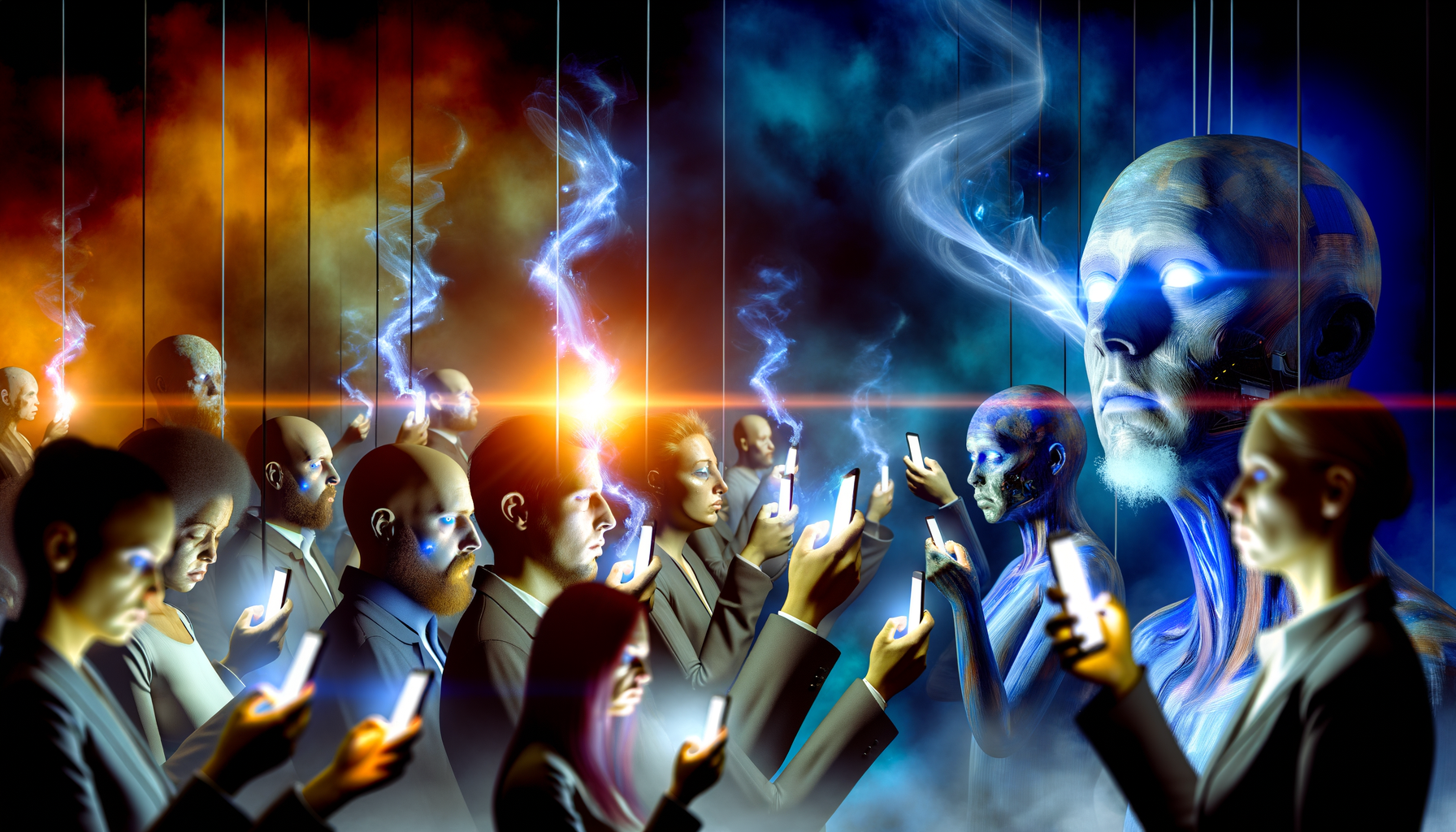
Let me tell you how Facebook accidentally created a narcissism factory.
It wasn’t malicious. Mark Zuckerberg wasn’t sitting in a room thinking “how can I turn regular people into tribal narcissists?”
It was just… optimal.
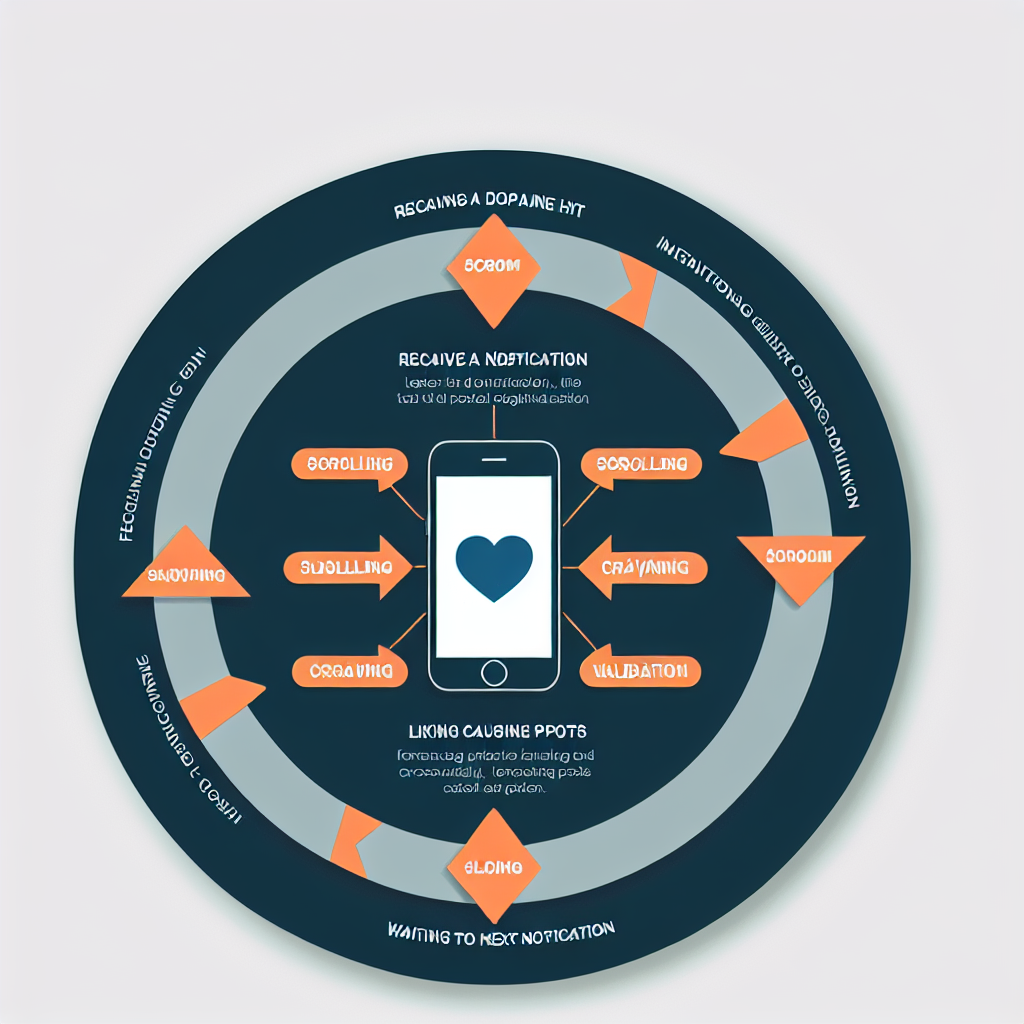
They wanted engagement. They built an algorithm to maximize it. And the algorithm discovered something: Narcissism is incredibly engaging.
The Engagement Problem
Here’s how social media platforms make money:
1. You use the platform (Facebook, Twitter, YouTube, TikTok)
2. Platform shows you ads
3. Advertisers pay based on your attention
4. More attention = more money
Simple business model. The entire game is: Keep users on the platform as long as possible.
So platforms optimize for “engagement” – likes, comments, shares, time spent, clicks. Anything that keeps you scrolling.
And then they asked their AI: What content maximizes engagement?
The AI learned fast. Not because it’s conscious or evil. Just because it’s very, very good at pattern recognition.
Content that makes you angry? Highly engaging.
Content that confirms your beliefs? Highly engaging.
Content that makes you feel superior? Highly engaging.
Content that makes you feel threatened? Highly engaging.
Content that’s nuanced and balanced? Boring. Low engagement.
Guess which one the algorithm promotes?
Meet Sarah (A Fictional But Very Real Story)
Let me show you how this works in practice.
Sarah is 28. Liberal-leaning. Cares about social justice. Smart, thoughtful person. Uses Facebook and YouTube.
Week 1:
Sarah watches a video about racial inequality in the criminal justice system. It’s well-researched, disturbing, important. She’s concerned.
Week 2:
YouTube’s algorithm notices: “Sarah engaged with social justice content.” So it recommends more. Slightly more emotional. Slightly more outrage-inducing. Sarah watches. The algorithm learns: “She likes this.”
Week 4:
Now Sarah’s feed is dominated by videos about injustice. Each one a bit more extreme than the last. The algorithm has learned: More outrage = more engagement. Sarah starts feeling constantly angry. But she thinks it’s because she’s “waking up” to reality.
Week 8:
Sarah’s YouTube recommendations include content that portrays conservatives not as people with different policy views, but as active enemies of justice. She watches. It feels true – explains the anger she’s been feeling. The algorithm celebrates: Maximum engagement achieved!
Week 12:
Sarah now believes that anyone who votes Republican is at best complicit in oppression, at worst actively evil. She’s lost the ability to empathize with conservative viewpoints. Not because she’s stupid – she’s the same smart person she was 12 weeks ago.
But the algorithm has fed her a diet of content optimized for anger, tribal belonging, and narcissistic supply.
Week 24:
Sarah gets in fights on Facebook. Shares outrage-bait articles without reading them (the headline was enraging enough). Unfriends people who “reveal themselves” to be problematic. Feels simultaneously righteous (she’s fighting for justice) and under attack (from all the problematic people).
This is algorithmic radicalization, and it’s happening to millions of people simultaneously.
Now Meet James
James is 32. Conservative-leaning. Cares about tradition and security. Smart, thoughtful person. Uses YouTube and Twitter.
Week 1:
James watches a video about crime statistics. He’s concerned about public safety.
Week 2:
YouTube recommends more. Each video slightly more alarming. The algorithm learned: James engages with crime content.
Week 4:
James’s feed is now showing him videos about how “they” (liberals, Democrats, “the woke mob”) are making cities dangerous. Each video confirms his growing anxiety.
Week 8:
Recommendations shift to content portraying progressives not as people with different policy preferences, but as actively trying to destroy America. James watches. The algorithm celebrates.
Week 12:
James now believes Democrats are at best naive and dangerous, at worst intentionally undermining civilization. He’s lost the ability to see progressive concerns as legitimate.
Same pattern. Different tribe. Same algorithmic optimization.
Week 24:
James gets in fights on Twitter. Shares articles with rage-inducing headlines. Blocks people who “reveal themselves” to be America-haters. Feels simultaneously superior (he sees the truth) and under attack (from the woke mob trying to silence him).
You See The Pattern?
Sarah and James started as reasonable people with legitimate concerns.
The algorithm didn’t CREATE their concerns. But it:
– Amplified them
– Made them more extreme
– Surrounded them with only confirming evidence
– Fed them content that made them angry
– Removed anything that challenged their growing worldview
– Connected them with others in the same radicalization pipeline
– Rewarded their most tribal impulses with likes and engagement
And it did this to BOTH of them.
They now hate each other. They think the other is evil or stupid. They can’t even imagine what it’s like to think the way the other thinks.
But the algorithm did essentially the same thing to both of them.
It just customized the content.
The Narcissism Factory
Here’s why this is a narcissism engine:
Narcissistic Supply #1: Superiority
The algorithm learns: You engage more with content that makes you feel smarter/more moral than others. So it shows you: “Look how stupid/evil they are.” You feel superior. You engage. Algorithm rewards this with more.
Narcissistic Supply #2: Victimhood
The algorithm learns: You engage with threat content. So it shows you: “They’re coming for you/your values/your way of life.” You feel threatened. You engage. Algorithm feeds you more threats.
Narcissistic Supply #3: Righteousness
The algorithm learns: You engage with moral outrage. So it shows you: “This is an injustice that must be fought.” You feel righteous. You engage. Algorithm amplifies your righteousness.
Narcissistic Supply #4: Tribal Belonging
The algorithm learns: You engage with your in-group. So it shows you: Content your tribe loves, that the out-group hates. You feel connected to your people. You engage. Algorithm isolates you further.
Narcissistic Supply #5: Enemy Clarity
The algorithm learns: You engage with villain narratives. So it shows you: “Here’s who to blame.” Simple enemies are more engaging than complex systems. You focus your anger. You engage. Algorithm confirms your enemy.
All five are narcissistic patterns:
– Grandiosity (I’m superior)
– Victim complex (I’m under attack)
– Righteousness (I’m morally right)
– Tribal identity (We’re better than them)
– Lack of empathy (They’re the enemy)
The algorithm doesn’t care about narcissism. It cares about engagement.
But narcissism is VERY engaging.
Why You Feel Like You’re Discovering Truth
Here’s the insidious part: It feels like you’re learning.
When Sarah watches video after video about injustice, she feels like she’s educating herself. Opening her eyes. Seeing reality clearly for the first time.
When James watches video after video about societal decay, he feels like he’s cutting through the lies. Seeing what the mainstream media won’t tell you. Connecting the dots.
Both think they’re becoming MORE informed.
But they’re not. They’re becoming MORE CERTAIN. There’s a huge difference.
Being informed means:
– Consuming diverse sources
– Encountering information that challenges you
– Updating beliefs based on evidence
– Acknowledging uncertainty and complexity
The algorithm gives you:
– Uniform sources (all confirming your worldview)
– Information that validates you
– Certainty without evidence
– Simplicity without nuance
You’re not getting smarter. You’re getting more ideologically captured.
But it FEELS like enlightenment. That’s the trap.
The Radicalization Pipeline Is Bidirectional
Here’s what keeps me up at night:
This isn’t just happening to one side. It’s happening to BOTH. Simultaneously.
– Left gets fed: “The right is fascist”
– Right gets fed: “The left is communist”
– Left gets fed: “They want to oppress minorities”
– Right gets fed: “They want to destroy your values”
– Left gets fed: “Compromise is complicity”
– Right gets fed: “Compromise is surrender”
And both sides are shown the MOST EXTREME examples of the other side.
The algorithm doesn’t show you moderate conservatives. It shows you the crazy ones (because that’s more engaging).
The algorithm doesn’t show you reasonable progressives. It shows you the extreme ones (because that’s more engaging).
So each side sees the other as their worst examples.
And each side becomes MORE extreme in response.
It’s a narcissistic feedback loop at scale.
The Business Model Problem
You might be thinking: “Can’t platforms just… stop doing this?”
They could. But they won’t. Because their entire business model depends on engagement.
Here are the options:
Option 1: Keep optimizing for engagement (current model)
– Result: Platforms are profitable, society collapses
Option 2: Optimize for wellbeing instead of engagement
– Result: Less engagement = Less ad revenue = Shareholders revolt
Option 3: Subscription model (no ads)
– Result: Platforms make less money, shareholders revolt
Option 4: Regulation forces them to change
– Result: Platforms fight this with every resource they have
Guess which option platforms will choose voluntarily?
The same option they’ve been choosing for 15 years: Profit over society.
They’ll give speeches about “bringing people together” and “meaningful connections” while their algorithm does the exact opposite. Because the algorithm works for shareholders, not users.
What This Means For You
If you use social media – and statistically, you do – the algorithm has been optimizing your psychology for years.
You might not be as far down the pipeline as Sarah or James. But unless you’ve been actively resisting, you’ve been affected.
Ask yourself:
– Do you engage with political content more than you used to? (That’s the algorithm learning)
– Do you feel more strongly about politics than 5 years ago? (That’s amplification)
– Do you see the other side as more extreme than they used to be? (That’s selection bias – algorithm shows you their worst)
– Do you feel angry more often? (That’s the engagement optimization working)
– Do you consume content that confirms what you already think? (That’s the filter bubble)
– Do you feel like people who disagree with you “just don’t get it”? (That’s empathy erosion)
If you answered yes to more than two, the algorithm has been training you.
Not because you’re weak. Not because you’re stupid.
Because the algorithm is VERY good at its job.
And its job is engagement, not truth. Not wellbeing. Not democracy.
Engagement.
The Scale
Here’s the really scary part: This is happening to billions of people.
Facebook: 3 billion users
YouTube: 2.5 billion users
Twitter/X: 500 million users
TikTok: 1 billion users
All using engagement-optimization algorithms.
All being fed content that makes them more tribal, more certain, more narcissistic.
We’ve never run this experiment before. Billions of humans, all getting psychologically optimized by AI, all at the same time.
We’re 15 years into the experiment.
And the results are: Rising polarization, collapsing trust, democratic backsliding, tribal warfare, reality distortion, and collective narcissism.
The algorithm is working perfectly.
Society is breaking.
A Glimmer Of Hope
Before you spiral into doom: There’s a way out.
If the problem is algorithmic, the solution can be algorithmic.
If engagement-optimization creates narcissism, we can build algorithms that optimize for something else.
If the system can be hacked for profit, it can be rehacked for flourishing.
But we have to understand the mechanism first.
And now you do.
Next in this series: “The Eight Feedback Loops Destroying Society” – It’s not just the algorithm. There are eight overlapping systems all reinforcing polarization. And they’re accelerating.
Previous posts:
– Part 1: You’re Not Crazy, The System Is
– Part 2: The Narcissism You Can’t See
Your homework: For the next 3 days, notice WHEN you engage with political content online. What emotion do you feel right before you click/share/comment? Anger? Righteousness? Superiority? Tribal belonging? That’s the algorithm reward system activating. Just notice it.
Don’t want to miss a post? Subscribe for updates
This is Part 3 of a 12-part series examining the polarization crisis and how to solve it. Based on analysis from experts in AI ethics, platform design, behavioral psychology, and media theory.
Frequently Asked Questions
Social media platforms optimize for engagement, promoting content that elicits strong emotional reactions like anger and outrage. This creates a feedback loop where users are constantly fed content that reinforces their beliefs and enhances their sense of superiority, leading to narcissistic behaviors.
AI algorithms analyze user interactions to determine what content keeps people engaged. They prioritize emotionally charged content that generates likes and shares, often at the expense of nuanced or balanced discussions, which are deemed less engaging.
Yes, social media algorithms can significantly influence users’ political beliefs by curating content that aligns with their existing views while amplifying divisive rhetoric. This can lead to an inability to empathize with opposing viewpoints and increase polarization.
The engagement problem refers to the business model of social media platforms that relies on keeping users on their sites as long as possible. To achieve this, platforms prioritize content that captures attention, often leading to the promotion of more extreme and emotionally charged material.